
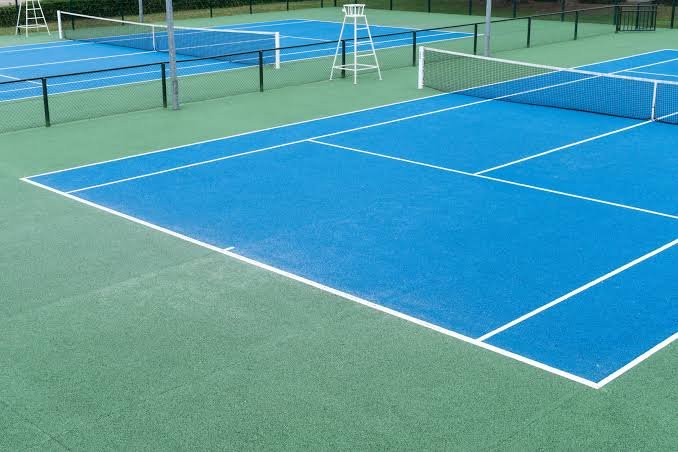
Choosing the best surface for your new pickleball court depends on your budget, climate, and how often you’ll play. Asphalt and concrete are durable, affordable outdoor options, but they’re tough on your joints. Cushioned acrylic systems offer better traction and shock absorption, while modular tiles work great for temporary setups. Indoor surfaces like hardwood prioritize comfort but need more upkeep. Each option has real trade-offs worth understanding before you commit.
Pickleball Court Surfaces Ranked by Durability, Traction, and Feel
When choosing a pickleball court surface, you’ll want to weigh three key factors: durability, traction, and feel.
Concrete ranks highest in durability, withstanding heavy play with minimal maintenance, though it’s unforgiving on joints.
Asphalt offers similar toughness at a lower cost but degrades faster without proper sealing.
Cushioned acrylic systems, applied over concrete or asphalt, deliver superior traction and a softer feel, reducing fatigue and injury risk.
Modular plastic tiles provide excellent drainage and consistent grip but can shift over time.
Indoor hardwood, common in gym settings, offers great feel but demands significant upkeep and isn’t weather-resistant.
Outdoor vs. Indoor Pickleball Court Surfaces: Which Performs Better?
Whether you’re playing recreationally or competitively, the setting shapes your surface choice more than any other factor.
Outdoor courts demand weather-resistant materials like asphalt or concrete topped with acrylic coatings that handle UV exposure, moisture, and temperature swings.
Indoor courts give you more flexibility—hardwood, sport tiles, or rubber surfaces all perform well in controlled environments.
Indoors, you’ll get consistent ball bounce and better joint cushioning.
Outdoors, you’ll sacrifice some comfort for durability.
If you’re building a permanent outdoor facility, prioritize drainage and surface texture.
For indoor play, focus on shock absorption and traction to protect players during long sessions.
How Each Surface Type Affects Your Joints Over Time
Playing pickleball on the wrong surface doesn’t just affect your game—it quietly damages your knees, hips, and ankles over time.
Concrete offers zero shock absorption, transferring every impact directly into your joints. Asphalt performs slightly better but still transmits significant stress.
Cushioned acrylic systems reduce that impact considerably, making them the smartest long-term choice for joint health. Indoor hardwood courts sit somewhere in between—forgiving enough for occasional play but demanding over long sessions.
If you’re playing frequently, your surface choice matters as much as your footwear. Prioritize cushioning now, and you’ll extend both your comfort and your playing years.
What It Actually Costs to Install Each Pickleball Court Surface
Budget shapes every court decision, so understanding real pickleball court installation costs upfront saves you from expensive surprises later.
Asphalt runs $3–$5 per square foot, making it your most affordable hard-surface option. Concrete costs $4–$8 per square foot but lasts longer without resurfacing.
Acrylic cushioned systems add $2–$4 per square foot on top of your base layer. Modular plastic tiles range from $4–$7 per square foot installed.
Clay courts cost $8–$15 per square foot due to drainage systems and regular maintenance needs.
Always factor in court striping, net posts, and site preparation, which can add $2,000–$5,000 to any surface choice.
Which Pickleball Court Surface Is Right for Your Situation?
Now that you’ve got a clear picture of what each surface costs, the right choice comes down to your specific situation.
If you’re building a backyard court on a budget, asphalt with acrylic coating delivers solid performance without breaking the bank.
Got more to spend and want premium playability? Go with post-tensioned concrete.
Playing in a hot climate? Choose a surface with UV-resistant coating.
Need something temporary or portable? Snap-together tiles work perfectly.
Prioritize maintenance costs, climate, budget, and how often you’ll actually play.
Match those factors honestly, and the right surface becomes obvious.
Frequently Asked QuestionsHow Long Does It Take to Install a Pickleball Court Surface?
Installing your pickleball court surface typically takes 1–3 days, depending on the material you choose.
Concrete and asphalt need extra curing time, while modular tiles let you complete installation faster and start playing sooner.
Can Existing Tennis Court Surfaces Be Converted for Pickleball Use?
Yes, you can convert an existing tennis court for pickleball use!
You’ll simply need to add pickleball lines and lower the net.
It’s a cost-effective option that lets you repurpose your current surface quickly.
What Permits or Regulations Apply to Building a Pickleball Court?
You’ll need to check with your local municipality for zoning permits, building codes, and noise ordinances.
Contact your HOA if applicable, and verify setback requirements before construction begins to guarantee full compliance.
How Do I Maintain and Clean Different Pickleball Court Surfaces?
For asphalt or concrete, you’ll want to sweep regularly and pressure wash annually.
For cushioned surfaces, use a soft brush and mild detergent.
Always remove debris promptly to prevent surface damage and extend your court’s lifespan.
Does Surface Color Affect Ball Visibility or Player Performance Significantly?
Yes, surface color greatly affects your gameplay!
You’ll spot the yellow ball much easier against darker courts like blue or green.
Contrasting colors reduce eye strain, sharpen your reaction time, and ultimately boost your overall performance on the court.
Conclusion
Choosing the right pickleball court surface comes down to your budget, playing style, and how much wear your joints can handle. Daily Landscaping understands the importance of selecting the right materials and design for a durable, high-quality playing space. You’ve seen how each option stacks up in durability, traction, cost, and feel. Now it’s time to match those factors to your specific situation. Whether you’re building an outdoor court or converting an indoor space, you’ll make a smarter investment by prioritizing what matters most to your game.