Most of us expect water to be simple. Turn on the tap, fill a glass, and get on with the day. But when water starts tasting strange, leaves stains on bathroom fixtures, or develops an unpleasant smell, that everyday routine can become a source of frustration. You might wonder whether the problem is harmless, whether your plumbing is to blame, or whether it’s time to invest in a treatment system.
The truth is that water quality problems come in several forms, and they don’t all require the same solution. Some are mainly aesthetic, affecting taste, odour, and appearance. Others may pose genuine health concerns, even when the water looks perfectly normal. Knowing the difference is the first step toward making a sensible decision.
Start With the Source of the Problem
Before buying filters or installing expensive equipment, take a moment to understand where your water comes from. Municipal supplies are typically treated and monitored, while private wells depend on local groundwater conditions and the maintenance of the well itself. Even within the same neighbourhood, water quality can vary because of differences in plumbing, geology, and infrastructure.
Pay attention to changes, too. Has the water developed an unusual smell overnight? Are orange stains appearing around the sink? Does the problem occur at every tap or only one? These clues can help narrow down possible causes, although they cannot confirm whether water is safe to drink.
A qualified water treatment professional can recommend suitable testing, but make sure you understand what the test actually measures. Basic screening may identify common concerns such as hardness, pH, or iron. Suspected contaminants that affect health may require laboratory analysis using methods designed specifically for those substances.
Arsenic Requires More Than a Visual Check
One of the more serious drinking water concerns is arsenic in water, particularly for households that rely on private wells in areas where arsenic occurs naturally in groundwater. Industrial activities and certain land conditions can also contribute to contamination.
Arsenic is especially concerning because it generally cannot be detected through taste, smell, or appearance. Water may look completely clear while containing levels that require attention. Long-term exposure to elevated arsenic concentrations has been associated with serious health effects, including an increased risk of certain cancers.
This is why testing matters. Private well owners should consult local public health authorities about recommended testing schedules and consider using an accredited laboratory. Testing may also be appropriate after changes in groundwater conditions or when local authorities identify a potential contamination issue.
If results show elevated arsenic, don’t assume a standard pitcher filter will solve the problem. Some reverse osmosis systems and specially designed adsorption or ion-exchange technologies can reduce arsenic under appropriate conditions. However, effectiveness depends on the product, the form of arsenic present, and the characteristics of the water.
Choose equipment that has been independently tested or certified for the specific reduction claim you need. Follow installation and maintenance instructions carefully, and arrange follow-up testing to confirm that the treatment is working as intended. When contamination is confirmed, local health officials can help you understand the results and decide on appropriate next steps.
Dealing With Chlorine and Sediment
If your water comes from a municipal supply, you may occasionally notice a swimming-pool-like smell or taste. Chlorine is commonly used to disinfect public water supplies and help control harmful microorganisms as water travels through the distribution system. Its presence at regulated levels is part of an important public health process, even if the taste isn’t everyone’s favourite.
Sediment creates a different kind of nuisance. Tiny particles of sand, silt, or rust may make water look cloudy, collect in faucet aerators, or clog showerheads. These particles can enter through a range of sources, including disturbed water mains, plumbing work, or problems affecting a private well.
For households experiencing chlorine & sediment issues, the appropriate treatment depends on what’s actually present. Activated carbon filters can reduce chlorine taste and odour, while sediment filters physically capture suspended particles. These technologies perform different jobs, so one should not automatically be treated as a substitute for the other.
If water suddenly becomes discoloured, particularly after a water main repair or plumbing disturbance, contact your water supplier for guidance. Persistent cloudiness or unusual changes deserve investigation rather than being dismissed as normal. Also, remember that a filter designed to improve taste doesn’t necessarily remove bacteria, viruses, or every chemical contaminant.
Understanding Iron, Rust, and Sulfur Smells
Few household water problems are as noticeable as reddish-brown stains around sinks, toilets, and bathtubs. Iron in groundwater can react with oxygen and produce visible deposits, while corrosion in household plumbing can introduce rust-coloured particles. These issues may leave laundry discoloured and make cleaning feel like a never-ending chore.
Sulfur-related odours are another common complaint. Water that smells like rotten eggs may contain hydrogen sulfide, a gas that can occur naturally in groundwater or result from certain bacterial processes. In some cases, the smell originates from the plumbing or water heater rather than the incoming water supply.
Homes dealing with iron, rust, and sulfur odors may need different approaches depending on the source and concentration of the problem. Oxidation and filtration systems can help remove certain forms of iron, while other treatment methods may be needed for dissolved iron or hydrogen sulfide. Water softeners can remove some dissolved iron under limited conditions, but they aren’t a universal answer for significant iron or odour problems.
If the smell appears only when using hot water, the water heater may deserve inspection. If it occurs at both hot and cold taps, testing the incoming supply is a sensible starting point. A strong or sudden change in odour, especially when accompanied by unusual colour or illness, should be investigated promptly.
Choose Equipment Based on Test Results
It’s easy to get overwhelmed by water treatment advertisements. One product promises cleaner drinking water, another offers whole-house protection, and a third claims to address almost everything. The problem is that no single treatment system removes every possible contaminant equally well.
A sediment filter may be useful for visible particles but won’t necessarily reduce dissolved chemicals. Activated carbon can improve taste and reduce certain organic compounds, but it isn’t designed to solve every mineral or microbial problem. Reverse osmosis can reduce many dissolved substances, although performance varies by system and water conditions.
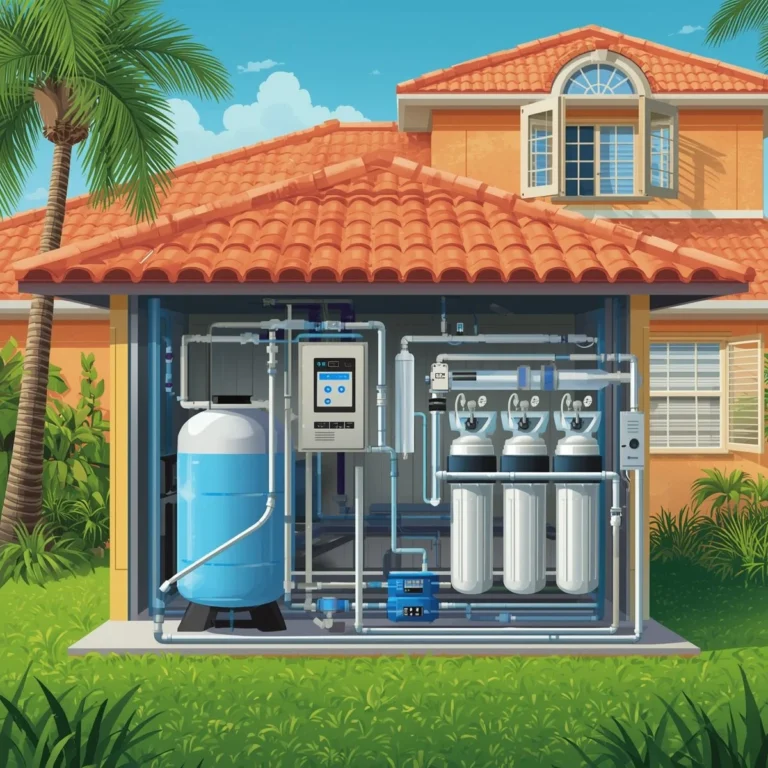
Start by identifying your priorities. Is the main concern drinking water safety, unpleasant taste, staining, or protecting plumbing and appliances? A laboratory report can help you distinguish between these goals. Ask providers to explain which contaminants a proposed system is tested to reduce, how much maintenance it requires, and what ongoing costs to expect.
Independent certification from recognised organisations can offer useful evidence, provided the certification covers the specific contaminant and reduction claim that matters to you. Don’t rely on vague phrases such as “advanced purification” without supporting information.
Maintenance Makes a Real Difference
Installing a treatment system is only the beginning. Filters need replacement, equipment may require cleaning or servicing, and some systems depend on correct operating settings to perform effectively. Neglected equipment can lose performance and may create additional problems.
Keep a record of installation dates, filter changes, and water test results. Follow the manufacturer’s schedule, and don’t wait until the water tastes unpleasant before checking the system. If a treatment unit is intended to reduce a health-related contaminant, periodic testing is particularly important.
Make Water Quality a Practical Priority
Water problems can be inconvenient, expensive, and occasionally serious, but guessing rarely helps. The most useful approach is to identify the source, test for the concerns that matter, and choose treatment that matches the results.
Not every household needs a complicated filtration setup. Sometimes a simple filter addresses a taste issue; in other situations, professional treatment and follow-up laboratory testing are essential. The goal isn’t to buy the most equipment. It’s to understand what’s in your water and take the right steps to manage it.
With reliable information and a little ongoing attention, you can protect your household, reduce avoidable plumbing frustrations, and feel more confident about the water you use every day.