Modern laundry rooms provide incredible convenience, allowing homeowners to wash and dry large loads of clothing in a fraction of the time it took previous generations. While washing machines get plenty of attention, the clothes dryer is a heavy-duty appliance that requires specific maintenance to operate safely and efficiently. Behind every standard household dryer lies a vital ventilation tube responsible for pushing hot, moist air and lint safely outside your home. Over time, this exhaust line can suffer from wear, crushing, disconnection, or severe blockages, creating major safety and efficiency hazards. Understanding how your laundry ventilation functions and knowing when to seek professional help is crucial for protecting your property.
The Hidden Dangers Inside Your Dryer Exhaust System
Every time you run a cycle, your clothes dryer extracts moisture and lint from your garments. While the lint trap captures a significant portion of the fibers, fine lint particles continuously slip past the screen and travel directly into the exhaust ductwork. If the ventilation line is overly long, features too many sharp bends, or has become damaged, lint begins to accumulate rapidly along the interior walls of the pipe.
Lint is a highly combustible material, and when combined with the high heat generated by a drying cycle, it creates a serious fire hazard. Thousands of residential fires occur every year due to neglected dryer vents and compromised exhaust pathways. Beyond the immediate risk of fire, a failing ventilation line traps high levels of humidity inside your laundry area. This excess moisture can warp drywall, encourage mold growth, and cause structural damage behind your walls. Furthermore, a blocked or crushed exhaust pipe forces your dryer to work much longer to dry a single load, causing skyrocketing electricity bills and premature breakdown of the appliance’s heating elements.
Recognizing the Signs That Your Ventilation System Is Failing
Because dryer ducts are often routed through walls, ceilings, or crawlspaces, homeowners rarely see the condition of the pipe itself. Instead, your laundry routine will usually provide clear warning signs indicating that your exhaust line requires immediate professional evaluation and repair.
One of the most obvious indicators is that your clothes take significantly longer to dry than they used to, sometimes requiring two or three complete cycles to get a single load fully dry. If your clothing feels unusually hot to the touch at the end of a cycle, or if the exterior top of the dryer machine itself becomes very warm, trapped heat is failing to escape. Another major red flag is a burning smell in the laundry room while the appliance is running, which points to baking lint or overheating components.
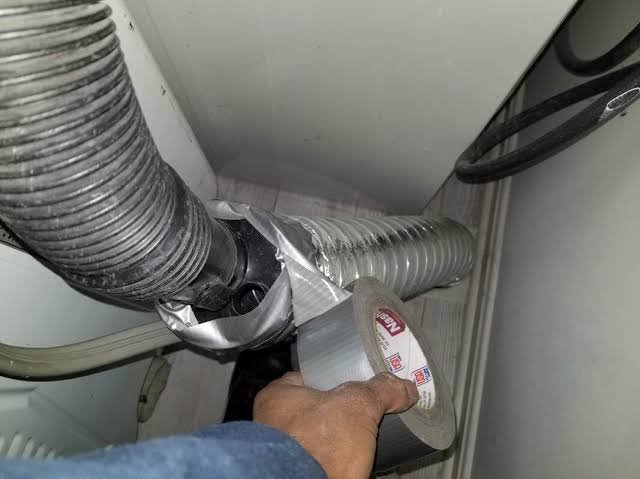
You should also inspect the exterior vent flap on the outside wall of your house while the dryer is running. If you notice little to no warm air and lint being pushed out of the exterior flap, a severe blockage or a broken line is likely present. Additionally, if the flexible transition hose behind your dryer looks kinked, crushed, or disconnected, urgent action is required to restore proper airflow.
What to Expect From Professional Dryer Exhaust Line Repair
When homeowners discover issues with their laundry ventilation, attempting a DIY fix using low-quality duct tape or improper materials can worsen the problem. This is why hiring professionals specializing in Dryer Exhaust Line Repair is essential for ensuring your home remains safe and your appliance runs at maximum efficiency.
A qualified technician arrives equipped with specialized tools to inspect the entire length of your exhaust pathway, from the back of the machine all the way to the exterior wall cap. The technician checks for crushed metal piping, disconnected joints, improper screw penetrations that catch lint, and heavy blockages.
Once the problem areas are identified, the repair process begins. Damaged sections of flexible plastic or foil tubing, which violate modern fire safety codes, are replaced with rigid or semi-rigid aluminum ducting that promotes optimal airflow and fire resistance. If the line has become disconnected inside a wall or ceiling cavity, technicians utilize specialized access techniques to reconnect, secure, and seal the joints properly. Finally, the entire system is thoroughly cleaned and tested to verify that maximum airflow has been successfully restored to the exterior of your home.
The Long-Term Benefits of Maintaining Your Dryer Vent
Investing in professional maintenance and prompt repairs for your laundry ventilation delivers immense value across multiple areas of household management. The most vital benefit is absolute peace of mind regarding fire safety, as eliminating crushed pipes and severe lint blockages drastically reduces household risk.
Energy efficiency represents another major advantage of a well-maintained exhaust system. When your dryer can vent moisture freely and rapidly, cycle times drop substantially. This reduction in operating time saves significant amounts of electricity or gas every month, lowering your utility bills. Additionally, reducing the strain on your dryer prevents expensive motor and heating element failures, extending the overall lifespan of your laundry appliance by several years.
Best Practices for Safe Laundry Room Operations Year Round
While professional service is irreplaceable for structural repairs and deep cleanings, adopting healthy daily habits keeps your laundry system running smoothly between professional visits. Managing lint accumulation at the source is the single most important routine for every homeowner.
Always clean your lint screen before or after every single load of laundry, never skipping this step even when running quick cycles. Periodically wash the lint screen with warm soapy water to remove invisible chemical residue left behind by fabric softeners, which can clog the mesh and prevent proper airflow. Avoid overloading your dryer, because tightly packed clothing restricts internal air movement and increases the amount of lint shedding.
Finally, schedule a professional inspection and cleaning of your entire exhaust system at least once a year to catch minor wear and tear before it escalates into an emergency. Ensuring your ventilation line remains clear, secure, and properly routed keeps your home safe, efficient, and comfortable for your entire family.