Water has a funny way of blending into the background. We turn on the faucet dozens of times a day without giving it much thought. It’s there for coffee in the morning, showers before work, dinner prep in the evening, and everything in between. Most of us only start paying attention when something changes—a strange smell, cloudy glassware, dry skin, or water that simply doesn’t taste right.
The truth is, water quality influences much more than drinking. It affects your plumbing, your appliances, your laundry, your cooking, and even how comfortable your home feels. That’s why taking a closer look at your home’s water isn’t just a maintenance task. It’s an investment in everyday living.
Water Problems Aren’t Always Obvious
Many homeowners expect poor-quality water to look dirty or discolored. Surprisingly, that’s not usually the case. Water can appear crystal clear while still containing minerals, chlorine, sediment, or other contaminants that affect its performance throughout the house.
Hard water, for example, is one of the most common issues homeowners face. It doesn’t necessarily pose a health risk, but it leaves mineral deposits inside pipes, reduces appliance efficiency, and makes soap less effective. Over time, these seemingly minor inconveniences quietly become expensive problems.
Other homes may struggle with unpleasant odors, metallic flavors, excess chlorine, or naturally occurring minerals depending on where their water comes from. Every source is a little different, which is why understanding your own water matters more than assuming everyone’s experience is the same.
Small Signs Often Tell a Bigger Story
Water quality problems rarely appear overnight. More often, they develop slowly enough that families simply adjust without realizing something has changed.
Have you noticed white spots on freshly washed dishes? Does your shower leave your skin feeling tight or your hair difficult to manage? Maybe your coffee tastes inconsistent even though you’re buying the same beans.
These everyday frustrations often point toward water conditions rather than the products you’re using.
Even household appliances can provide clues. Water heaters, coffee makers, dishwashers, and washing machines all work harder when mineral buildup begins collecting inside them. That extra strain can shorten their lifespan while increasing energy usage.
Every Home Has Different Water Needs
A family using municipal water has different challenges than someone relying on a private well. Even two homes in the same neighborhood can have different plumbing materials, different water pressure, and different mineral levels.
That’s why there’s no universal solution.
Professional water treatment services begin by understanding what’s actually flowing through your home’s plumbing instead of recommending equipment based on assumptions. Testing reveals the unique characteristics of your water, allowing specialists to recommend systems that solve the right problems rather than simply selling the biggest filter available.
That personalized approach usually saves homeowners both money and frustration over the long term.
Looking Beyond the Kitchen Sink
When people think about water improvement, they often focus only on drinking water. While that’s certainly important, the majority of water used inside a home never reaches a drinking glass.
Showers, laundry, dishwashing, cleaning, cooking, and bathing account for most daily water usage.
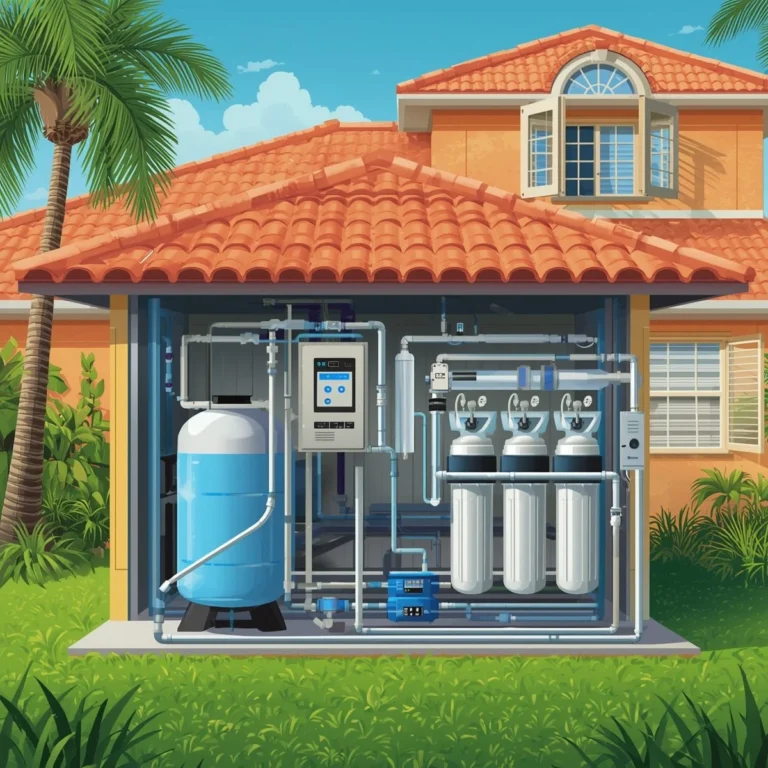
That’s one reason many families choose whole-home filtration instead of treating only a single faucet. A properly designed system helps reduce unwanted sediment, chlorine, and other impurities before water reaches every tap in the house.
The difference can be surprisingly noticeable. Towels feel softer. Soap rinses more easily. Glass shower doors stay cleaner longer, and household cleaning often becomes less time-consuming because mineral residue isn’t constantly building up on surfaces.
It’s one of those improvements people tend to appreciate a little more each day rather than all at once.
Better-Tasting Water Makes Healthy Habits Easier
Let’s be honest—if water tastes unpleasant, people naturally drink less of it.
Children especially tend to notice odd flavors or smells long before adults do. When water tastes clean and refreshing, grabbing a glass becomes second nature rather than something you avoid.
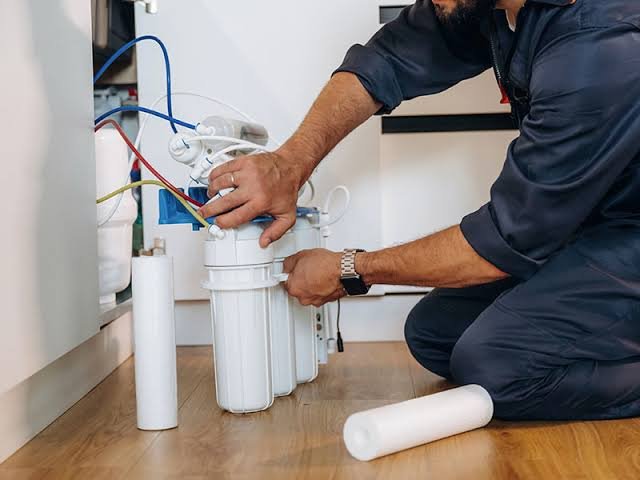
For homeowners who want the highest-quality drinking water possible, reverse osmosis drinking water systems remain one of the most trusted options available. These systems remove a wide range of dissolved contaminants while producing crisp, clean-tasting water that’s ideal for drinking, cooking, coffee, tea, and even ice cubes.
Many families find themselves buying fewer bottled beverages once they’re happy with what’s coming directly from the kitchen faucet.
Protecting Your Home for the Long Run
Improving water quality isn’t only about today’s comfort. It also helps protect expensive investments throughout your home.
Mineral deposits accumulate slowly inside plumbing lines, water heaters, dishwashers, and washing machines. Left untreated, scale buildup reduces efficiency while increasing maintenance costs over time.
Cleaner water helps appliances perform closer to their intended efficiency, often reducing wear and extending their useful life. That translates into fewer unexpected repairs and lower replacement costs down the road.
Considering the price of major household appliances today, prevention often makes far more financial sense than waiting until something breaks.
A More Comfortable Home Starts with the Basics
People often spend thousands renovating kitchens, upgrading flooring, or installing smart home technology while overlooking something they interact with every single day.
Water quietly touches nearly every room in the house. It fills your bathtub, washes your clothes, brews your morning coffee, and helps prepare every family meal.
Improving it isn’t always dramatic, but it’s remarkably practical.
Many homeowners describe the experience as one of those upgrades they wish they’d made years earlier. The benefits aren’t flashy—they’re simply woven into everyday routines. Better showers. Cleaner dishes. Softer laundry. Fresh-tasting drinking water. Appliances that last longer. Those little improvements add up over time.
Final Thoughts
Good water shouldn’t be something you have to think about constantly. Ideally, it simply works—clean, reliable, pleasant, and consistent every day.
If you’ve noticed changes in taste, odor, mineral buildup, or appliance performance, those signs are worth paying attention to rather than ignoring. Understanding your home’s water is the first step toward making informed decisions that benefit both your family and your property.
The right solution isn’t necessarily the largest or most expensive system. It’s the one designed around your home’s unique water conditions and your family’s daily needs.
When you invest in better water, you’re not just improving what comes out of the faucet. You’re improving countless small moments that happen throughout your home, every single day. Sometimes the simplest upgrades end up making the biggest difference.