
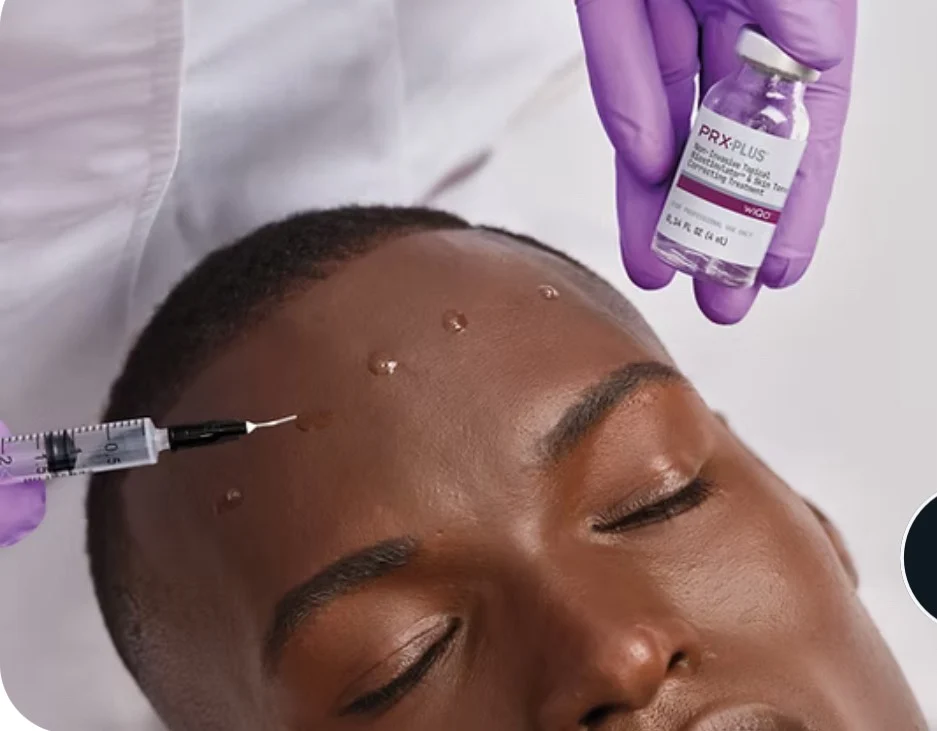
Healthy-looking skin is not simply about removing a few visible imperfections. Texture, tone, hydration, firmness, and overall radiance all contribute to how refreshed the skin appears. Over time, however, sun exposure, environmental stress, natural aging, and changes in collagen production can make the complexion look dull, uneven, or less firm than it once did.
For people interested in improving these concerns without immediately turning to aggressive procedures, modern aesthetic treatments provide a growing range of options. Some focus on supporting skin renewal below the surface while minimizing the extended recovery traditionally associated with more intensive resurfacing procedures.
Understanding how these treatments fit into a long-term skincare plan can help patients make more informed decisions and set realistic expectations.
Why Skin Texture Changes Over Time
Skin naturally changes as people age. Collagen and elastin, two proteins that contribute to firmness and elasticity, gradually decline. Environmental factors can accelerate visible changes as well.
Repeated sun exposure is especially important. Ultraviolet radiation can contribute to uneven pigmentation, rough texture, fine lines, and a generally weathered appearance. Dryness, lifestyle habits, inconsistent skincare, and environmental pollution may further affect the way the skin looks and feels.
These changes rarely happen overnight. They accumulate gradually, which is why many people eventually notice that their regular cleanser and moisturizer no longer produce the same refreshed appearance.
Professional skin treatments can sometimes complement a good home routine by targeting concerns that topical skincare alone may not fully address.
The Difference Between Exfoliation and Skin Revitalization
Exfoliation is one of the most familiar concepts in skincare. Traditional exfoliating treatments work by removing or loosening dead cells from the outer layers of the skin. This can make the surface appear smoother and brighter.
However, not every professional rejuvenation treatment works primarily by creating visible peeling.
Newer aesthetic approaches may be designed to encourage renewal while focusing on processes within deeper layers of the skin. Depending on the treatment, the goal may include improving the appearance of texture, supporting firmness, or creating a more radiant complexion.
This distinction matters for people researching professional treatments. Two services that both promise brighter-looking skin may use completely different methods, involve different levels of downtime, and be intended for different concerns.
The best choice depends on the individual’s skin condition and goals.
When Professional Skin Treatments May Be Worth Considering
A professional consultation may be useful when changes in the skin become difficult to address with an everyday routine.
Common concerns include dullness, uneven tone, rough texture, visible fine lines, loss of firmness, and signs of environmental or sun-related damage.
Someone researching PRX Skin Resurfacing, for example, should look beyond the treatment name and understand what the procedure is designed to accomplish, how it differs from conventional resurfacing methods, and whether it is suitable for their particular skin concerns.
Professional guidance becomes particularly important because treatments that seem similar online may differ considerably in application, intensity, and recommended aftercare.
Why Collagen Matters for Skin Appearance
Collagen provides structural support within the skin. When collagen levels are stronger, skin generally appears firmer and more resilient. As natural production decreases with age, changes such as fine lines and reduced elasticity can become more noticeable.
This is why many modern aesthetic treatments focus on encouraging processes associated with collagen renewal rather than simply improving the outermost surface.
The effects of collagen-focused treatments are generally not comparable to applying makeup or a temporary cosmetic product. Changes may develop gradually because the skin’s natural renewal processes require time.
Patients should therefore approach treatment with realistic expectations. A healthy-looking improvement over time is a more reasonable goal than expecting an immediate and dramatic transformation after one appointment.
What to Discuss During Your Consultation
A quality skincare consultation should begin with an evaluation rather than a treatment recommendation.
The provider needs to understand what the patient wants to improve. Someone concerned primarily with pigmentation may require a different strategy than someone whose main concern is rough texture or reduced firmness.
Patients should explain their current skincare routine, previous professional treatments, sensitivities, and any products they regularly use.
It is also helpful to ask how the recommended treatment works, what sensations may occur during the session, whether there is expected downtime, and how many appointments are commonly included in a treatment plan.
The consultation should also cover potential side effects and aftercare.
No reputable aesthetic treatment should be presented as automatically appropriate for every person. Individual assessment remains essential.
Why Less Downtime Appeals to Busy Patients
One reason modern skin treatments have received attention is the demand for procedures that fit more easily into everyday schedules.
Traditional intensive resurfacing can require a significant recovery period, depending on the procedure. Patients may experience visible redness, peeling, sensitivity, or other temporary effects while the skin heals.
For people with demanding work schedules, social commitments, or frequent travel, extended recovery may be inconvenient.
Treatments designed around minimal disruption may therefore be attractive. However, “minimal downtime” should never be interpreted as meaning that aftercare is unnecessary.
Even when skin looks normal shortly after treatment, patients should follow their provider’s recommendations carefully.
Sun Protection Is Essential After Skin Treatments
One of the simplest ways to protect aesthetic results is also one of the most important: consistent sun protection.
Skin that has undergone a professional treatment may be more sensitive to environmental exposure for a period of time. Excessive sunlight can also work against long-term skincare goals by contributing to pigmentation, fine lines, and other visible signs of photoaging.
Daily broad-spectrum sunscreen, appropriate protective clothing, and avoiding unnecessary intense sun exposure can help protect the skin.
Sun protection should not be treated only as post-procedure care. It is an important part of an everyday skincare routine for anyone concerned about maintaining a healthy-looking complexion.
Your Home Routine Still Matters
Professional treatments can complement skincare, but they do not replace it.
A simple and consistent routine is often more valuable than frequently changing products based on trends. Cleansing, moisturizing, sun protection, and appropriate active ingredients can support the skin between professional appointments.
More is not always better.
Using several strong exfoliants, acids, retinoids, or other active products at the same time can irritate the skin. Before and after professional treatments, a provider may recommend temporarily stopping certain ingredients.
Following those instructions can help reduce unnecessary sensitivity and support proper recovery.
How to Measure Progress Realistically
Changes in skin quality can be subtle and gradual. Because people see themselves every day, improvements in texture or brightness may sometimes be difficult to notice immediately.
Standardized photographs can make progress easier to evaluate. Ideally, photos should be taken in similar lighting, from the same angle, and without major differences in makeup or filters.
Patients should also consider how their skin feels. Improved smoothness, hydration, or overall texture may be meaningful even when changes are not dramatic in photographs.
When treatment is performed as a series, evaluate the full plan rather than judging the process after only one session.
Creating a Long-Term Skin Strategy
There is no single treatment that addresses every skincare concern.
The most effective approach usually begins with identifying specific priorities and building a realistic plan around them. For some people, this may involve professional rejuvenation treatments combined with medical-grade skincare. Others may benefit from a different combination of services.
The goal should be healthier-looking, well-maintained skin rather than constantly chasing the newest aesthetic trend.
Choosing an experienced provider, asking informed questions, maintaining good daily skincare habits, and protecting the skin from excessive sun exposure can all contribute to better long-term outcomes.
Modern aesthetic treatments continue to expand the options available to people looking to refresh their appearance. When treatments are selected thoughtfully and used as part of a broader skincare strategy, they can provide a practical way to address texture, tone, firmness, and overall radiance while supporting a more consistent approach to skin health.To view a full treatment menu or to book your initial consultation.Click here to find our clinic on the map.