Most people don’t wake up thinking about their water. It just runs from the tap, fills the kettle, rinses the plates, goes into the washing machine, and disappears down the drain. Simple enough. But when water starts leaving cloudy spots, smelling a little odd, drying out your skin, or making tea taste slightly metallic, it suddenly becomes hard to ignore.
The truth is, water quality changes from home to home. Even houses on the same street can have different concerns depending on pipes, local supply, hardness levels, or whether the property uses well water. That’s why choosing the right system should never feel like picking something randomly from a shelf. It should begin with understanding the water you actually have.
Why Home Water Quality Deserves Attention
Water is involved in nearly everything at home. You drink it, cook with it, bathe in it, clean with it, and run expensive appliances with it every single day. If the water contains excess minerals, sediment, chlorine taste, iron, or other unwanted elements, it can affect comfort in small but frustrating ways.
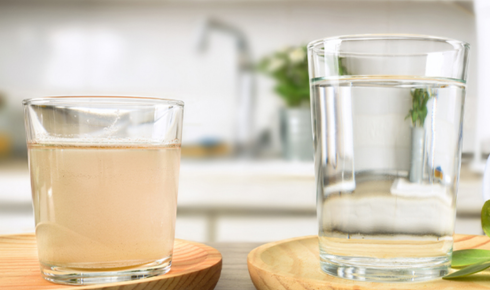
Hard water may leave scale around taps. Chlorine can give drinking water a swimming-pool smell. Sediment may cloud the water or collect in fixtures. Iron can stain sinks and laundry. None of these issues are pleasant, and over time, they may cost more than people expect.
Good water treatment is not just about taste. It’s about protecting the home, making daily routines easier, and feeling confident about what comes from the tap.
Starting With a Proper Water Check
Before buying any system, the smartest first step is testing. A proper free water analysis can show whether the main issue is hardness, chlorine, sediment, iron, odour, taste, or something else. Without that information, it’s easy to spend money on the wrong product.
This matters because a water softener won’t solve every taste issue, and a drinking water filter won’t protect the entire home from scale. Different problems need different solutions. Testing removes the guesswork and gives a clearer path forward.
It also helps homeowners avoid being oversold. When you know what’s in the water, you can ask better questions and choose equipment that actually fits the problem.
What Makes Modern Water Systems More Useful
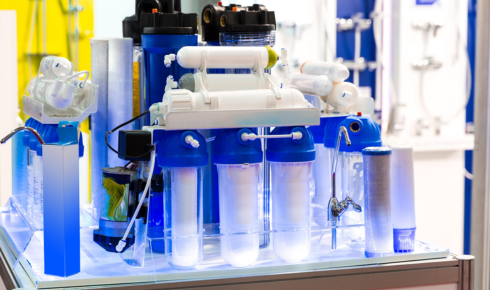
Older water treatment setups were often bulky, basic, and a little confusing. Today’s systems are more efficient, better designed, and easier to manage. Many can be tailored for specific household needs, whether that means softening hard water, filtering chlorine, reducing sediment, or improving drinking water quality.
Brands and providers that offer ecoWater systems often focus on combining performance with convenience. For example, some systems are built to monitor usage, reduce waste, and deliver consistent treated water without requiring constant attention from the homeowner.
That sort of reliability matters. Nobody wants a system that becomes another chore. The best home water setup should quietly do its job in the background.
Common Signs Your Water Needs Help
Some water problems are obvious. Others creep in slowly. You may notice white scale on showerheads, dry skin after bathing, stiff towels, poor soap lather, cloudy ice, or spots on dishes. Maybe the water smells earthy, metallic, or like chlorine. Maybe your appliances seem to work harder than they should.
These little signs are easy to brush off, but they often point to minerals or contaminants that can be treated. And once the right system is installed, the difference can feel surprisingly noticeable. Showers feel better. Coffee tastes cleaner. Laundry comes out softer. Fixtures stay nicer for longer.
It’s not dramatic in a movie-scene kind of way, but it improves daily life.
Choosing the Right Solution for the Whole Home
There is no single perfect system for every property. A city home with chlorine taste may need filtration. A rural home with well water may need sediment removal, iron treatment, or more advanced conditioning. A house with hard water may need a softener to reduce scale and protect plumbing.
The best water treatment solutions are designed around the home, not forced into a one-size-fits-all package. That means looking at water test results, family size, usage habits, plumbing setup, and long-term maintenance needs.
A small household may not need the same capacity as a large family. A home with older pipes may have different concerns than a newer build. And someone who cares mainly about drinking water taste may need a different setup from someone dealing with stained laundry or scale buildup.
Maintenance Should Be Simple, Not Stressful
One thing homeowners should always ask about is maintenance. How often do filters need to be changed? Does the system need salt? Are parts easy to access? Will someone service it regularly? What happens if water usage changes?
A good system should come with clear answers. If maintenance feels confusing before installation, it may become frustrating later. Reliable support is part of the value, especially when the system is meant to serve the whole house for years.
It’s also worth thinking about long-term cost instead of only the upfront price. A cheaper system that needs frequent repairs or doesn’t solve the real issue may not be cheaper at all.
The Everyday Benefits Add Up
Better water often improves the home in quiet ways. You may use less soap. Appliances may stay cleaner. Glassware may look clearer. Skin and hair may feel less dry. Drinking water may taste fresher, which can encourage the family to drink more from the tap instead of reaching for bottled water.
Over time, those small improvements add up. Less plastic waste, fewer stains, better-tasting meals and drinks, and less cleaning around taps and shower doors. It’s practical, not fancy, and that’s exactly why it matters.
A Healthier Home Begins With the First Drop
Improving water quality doesn’t have to be complicated. Start by learning what’s in your water, then choose a system based on real results rather than guesses. The right setup should match your home, your habits, and your concerns.
When your water tastes better, feels better, and works better throughout the house, you notice it in everyday moments. A cleaner glass of water. A better shower. A kettle without stubborn buildup. Small things, yes, but home life is mostly made of small things.
And good water makes many of them easier.