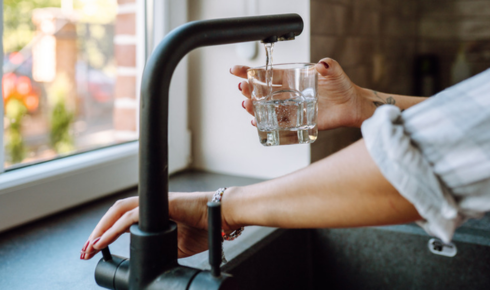
Water is part of nearly everything we do at home. We use it to make coffee in the morning, cook dinner, wash clothes, and take a shower after a long day. Because it’s so familiar, we rarely stop to think about what might be in it. Yet changes in taste, cloudy water, mineral buildup, or unusual odors can be signs that something deserves a closer look. Understanding your water quality is a sensible first step toward making your home more comfortable and protecting the plumbing and appliances you rely on every day.
Start With What You Notice at Home
Sometimes water quality problems are obvious. You might notice reddish-brown stains around sinks, white crust around faucets, or spots on glasses straight out of the dishwasher. In other cases, the signs are less dramatic. Soap may not lather properly, laundry might feel stiff, or drinking water may have a metallic or earthy taste.
These clues can help point toward possible concerns, but they don’t tell the whole story. Hard water, for example, often leaves mineral deposits and makes cleaning more difficult. A sulfur-like smell may be associated with certain naturally occurring compounds or plumbing conditions. Discoloration can have several causes, including sediment or corrosion. The important thing is not to guess. A closer assessment can help determine whether the issue is cosmetic, related to plumbing, or something that needs further investigation.
Why Water Testing Is Worth the Time
Many homeowners rely on appearance and taste to decide whether their water is good. Unfortunately, those qualities cannot reveal everything. Some contaminants have no noticeable smell, color, or flavor, which means water can look perfectly clear and still require attention.
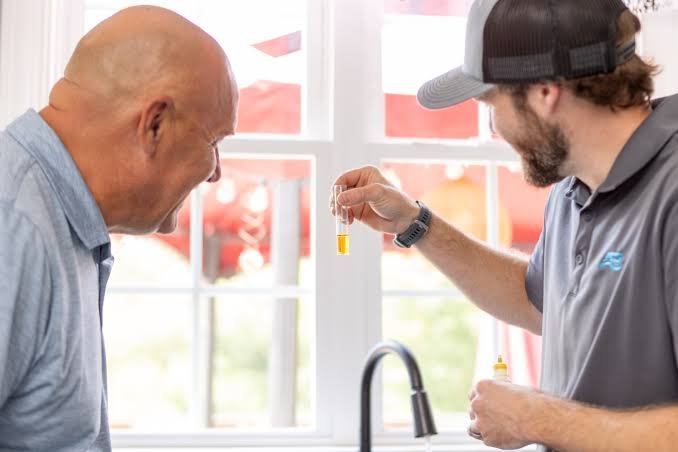
Arranging free in-home water testing can be a convenient way to begin understanding the water used throughout your household. Depending on the provider, a visit may include basic checks for hardness, pH, chlorine, or other common water-quality indicators. The technician may also discuss the source of your water, household concerns, and whether additional testing is appropriate.
Before scheduling, ask what the assessment includes and whether there are any charges for follow-up tests or recommended equipment. A clear explanation helps you understand what you’re paying for, if anything, and prevents confusion later. Testing should be an informative process, not a sales conversation that leaves you feeling pressured to buy a system before you understand the results.
When a Laboratory Can Provide More Detail
A home assessment can be useful, but some situations call for more comprehensive testing. If you use a private well, have concerns about nearby agricultural or industrial activity, or have received an advisory about your water supply, a certified laboratory may be the better option.
A lab water analysis can examine specific contaminants using established testing methods. The appropriate test depends on your water source and the concern being investigated. For example, private well owners may need to consider bacteria, nitrate, arsenic, or other contaminants based on local conditions. Municipal water users can review their utility’s annual water quality report and arrange additional testing when there is a specific reason to do so.
It’s worth remembering that no single test checks for every possible contaminant. Ask the laboratory which substances are included, how to collect the sample, and whether the sample must be delivered within a particular time. Improper collection or handling can affect results, so follow the instructions carefully. If the findings are confusing, ask the laboratory or a qualified water professional to explain what the numbers mean and what action, if any, is recommended.
Choose a Solution That Matches the Problem
Once you understand the issue, the next step is choosing an appropriate response. There is no single filtration system that removes every unwanted substance from water. Different technologies address different concerns, and the best choice depends on the test results, your household’s water use, and your budget.
A water softener is commonly used to reduce hardness minerals such as calcium and magnesium. A reverse osmosis system may reduce certain dissolved substances in drinking water, depending on the unit and its certification. Activated carbon filters can help improve taste and odor and reduce some specific contaminants. Sediment filters, meanwhile, are designed to capture suspended particles rather than dissolved chemicals.
Effective problem water solutions begin with identifying the cause rather than purchasing equipment based on a broad promise. Check whether a product is certified for the contaminant you want to reduce, and read its maintenance requirements before making a decision. Filters need replacement at the recommended intervals, and some systems require professional servicing. A system that is poorly maintained may not perform as expected.
Consider the Water You Use Throughout the House
Not every water concern requires treatment at every tap. If your main complaint is the taste of drinking water, a properly selected point-of-use filter may be enough. If hard water is affecting showers, laundry, fixtures, and appliances, a whole-house softening system may be worth considering. Where sediment enters through a well or supply line, the appropriate filtration setup depends on the particle size and the source of the problem.
Think about daily routines, too. A household with several bathrooms and frequent laundry loads may have different needs from a small apartment with limited water use. Equipment size, installation space, water pressure, ongoing costs, and maintenance all matter. Ask for a written estimate that separates equipment, installation, replacement filters, and regular service where applicable. A lower initial price may not represent the best long-term value if operating costs are high.
Keep an Eye on Changes Over Time
Water quality isn’t always constant. Heavy rain, seasonal changes, well maintenance, plumbing work, and changes in a municipal supply can all affect what reaches your tap. That doesn’t mean every change signals danger, but it does mean occasional reassessment can be useful, particularly for private wells.
Keep copies of test results and note any changes in taste, odor, color, or staining. If your home uses a treatment system, follow the manufacturer’s service schedule and replace filters as directed. If you receive a concerning result, seek guidance from your local health department, water utility, or a qualified laboratory about the next steps. Avoid relying on an ordinary household filter as a substitute for specific public health advice.
Make an Informed Decision About Your Water
Good water quality is not simply about making water taste better. It’s about understanding what comes from your tap and choosing sensible steps based on evidence. Start with the concerns you’ve noticed, arrange suitable testing, and take time to understand the findings before investing in equipment.
The right approach may be a simple filter, a water softener, more detailed laboratory testing, or no treatment at all. What matters is that the decision fits your actual needs. With reliable information and regular maintenance, you can make practical improvements to your home’s water without spending money on solutions that don’t address the problem.