The Thing We Use Every Day but Rarely Think About
Water is one of those essentials that quietly sits in the background of our lives. It’s there when we brew coffee before work, rinse vegetables for dinner, wash the dog after a muddy walk, or jump into a hot shower after a long day. Because it’s always available, most people don’t spend much time thinking about it.
Yet water quality affects far more than many homeowners realize.
A glass of water that tastes slightly off, dishes that never seem completely clean, or a shower that leaves skin feeling dry can all be subtle signs that something isn’t quite right. These aren’t necessarily major problems, but they can add up over time and affect everyday comfort in ways that often go unnoticed.
The truth is, improving household water quality isn’t only about health or convenience. It’s about enhancing countless little moments throughout the day.
Every Water Source Has Its Own Story
Water doesn’t arrive at every home in the same condition. Municipal water systems, private wells, regional treatment processes, and local geology all play a role in determining what comes out of the tap.
In some areas, water contains elevated mineral levels. In others, treatment chemicals may affect taste or odor. Sometimes the water meets all safety standards and still leaves homeowners wishing it tasted fresher or felt better during daily use.
This is why two people living only a few miles apart can have completely different experiences with their household water.
Understanding those differences is often the first step toward finding a solution that actually works.
Why Taste Matters More Than People Admit
Let’s be honest—most people drink more water when they enjoy the taste.
If water carries an unpleasant odor or flavor, it’s easy to reach for soda, juice, or bottled drinks instead. That habit can become expensive over time and isn’t always the healthiest option.
Many homeowners begin exploring filtration options because they want better tasting water without relying on bottled alternatives. Once water tastes cleaner and fresher, drinking it becomes less of a chore and more of a natural habit.
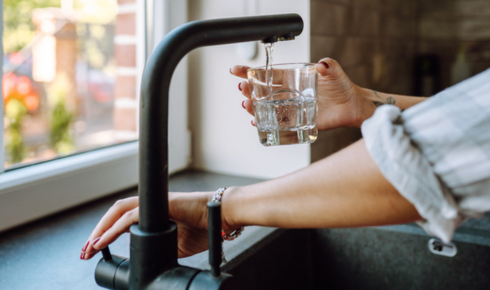
There’s something satisfying about filling a glass directly from the tap and genuinely enjoying it.
It’s a simple pleasure, but one that can make a surprising difference in daily routines.
The Impact of Chlorine on Household Water
Municipal water systems often use disinfectants to ensure water remains safe during distribution. While these treatments serve an important purpose, they can sometimes leave behind noticeable tastes or odors.
For many households, chlorine removal becomes a priority because it improves the overall drinking experience. Beyond taste, some homeowners prefer reducing chlorine exposure during activities such as bathing and showering.
A common comment from people who install filtration systems is that water simply feels cleaner. The smell disappears, beverages taste more natural, and cooking ingredients retain their intended flavors.
It’s not always dramatic. Sometimes it’s just a subtle improvement that becomes more appreciated over time.
Water Affects More Than Your Drinking Glass
The effects of water quality extend well beyond the kitchen sink.
Think about how often water interacts with your home. It flows through washing machines, dishwashers, water heaters, coffee makers, and plumbing fixtures. It touches your skin every day and influences how cleaning products perform.
When water contains excessive minerals or impurities, these systems often work harder than necessary.
Over the years, even small water quality issues can contribute to maintenance challenges, reduced appliance efficiency, and additional cleaning tasks around the house.
That’s one reason homeowners increasingly view water treatment as an investment rather than an expense.
Understanding Hard Water Challenges
One of the most common household water concerns is mineral-heavy water, often referred to as hard water.
Hard water isn’t typically dangerous, but it can create frustrating problems. Soap may not lather properly. Mineral deposits can appear on fixtures. Glassware sometimes emerges from the dishwasher looking cloudy rather than sparkling clean.
Many families seek hard water solutions because they want smoother daily experiences. Softer water can improve cleaning performance, reduce mineral buildup, and help appliances operate more efficiently.
Anyone who has spent an afternoon scrubbing stubborn white residue from faucets understands why hard water treatment remains a popular home improvement project.
The Little Benefits Add Up
One of the most interesting things about water quality improvements is that the advantages often appear gradually.
Maybe towels feel softer after a few weeks. Coffee tastes richer. The dishwasher performs more consistently. Shower doors stay cleaner for longer periods.
Individually, none of these changes seem life-changing. Collectively, however, they can noticeably improve everyday comfort.
Homeowners often describe this experience by saying, “I didn’t realize how much it mattered until after it changed.”
That observation comes up again and again because water touches nearly every aspect of home life.
Choosing Solutions That Fit Your Needs
Not every home requires the same type of filtration or treatment system.
Some households struggle primarily with taste and odor concerns. Others deal with mineral content, sediment, or specific contaminants. The ideal solution depends on local water conditions and individual preferences.
Rather than guessing, many experts recommend testing water before making major decisions. Understanding exactly what’s present helps homeowners select equipment that addresses real concerns instead of chasing generic promises.
A targeted approach typically delivers better results while avoiding unnecessary costs.
Looking Beyond Short-Term Fixes
Temporary solutions certainly have their place. Pitcher filters, bottled water, and faucet attachments can help in certain situations.
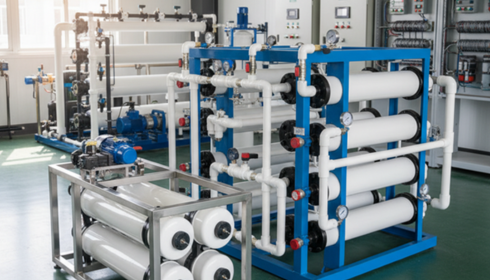
Still, many homeowners eventually realize that long-term improvements provide greater convenience. Instead of constantly replacing small filters or carrying cases of bottled water into the house, comprehensive systems work quietly in the background day after day.
That’s part of their appeal. Once installed and maintained properly, they become one less thing to worry about.
And honestly, that’s what most people want from home improvements—reliable performance without constant attention.
Final Thoughts
Water may not be the most exciting topic in homeownership, but it’s certainly one of the most important. From drinking and cooking to bathing and cleaning, it plays a role in nearly every daily activity.
Improving water quality isn’t about chasing perfection. It’s about making everyday life a little easier, a little healthier, and a little more enjoyable. Whether the goal is fresher taste, reduced mineral buildup, or improved household efficiency, thoughtful water treatment can deliver benefits that extend throughout the entire home.
Sometimes the most valuable upgrades aren’t the ones you see every day. They’re the ones you experience quietly, one glass of water, one shower, and one ordinary moment at a time.