You don’t need to be particularly interested in science to wonder what’s coming out of your kitchen faucet. Maybe you’ve noticed a strange aftertaste when drinking water, or perhaps your bathroom fixtures seem to collect white deposits almost as quickly as you clean them. These little annoyances can leave you wondering whether something isn’t quite right.
The trouble with water quality is that appearances can be deceiving. Clear water may contain substances you can’t see, while slightly cloudy water isn’t necessarily unsafe.
Getting your water tested takes some of the mystery out of the situation. It gives you useful information about your household supply and helps you decide whether treatment is genuinely necessary.
Getting Your Water Checked Without Leaving Home
Between work, family commitments, and endless household chores, finding time to investigate water quality isn’t always easy. That’s one reason having a professional visit your property can be so convenient.
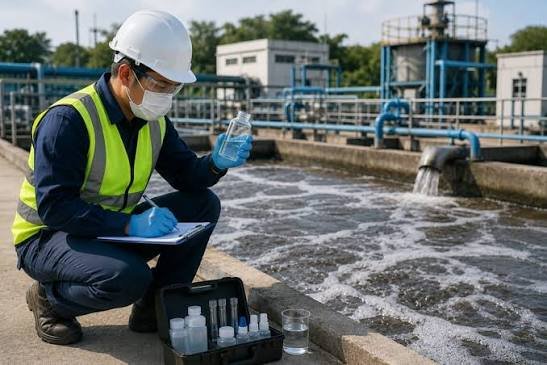
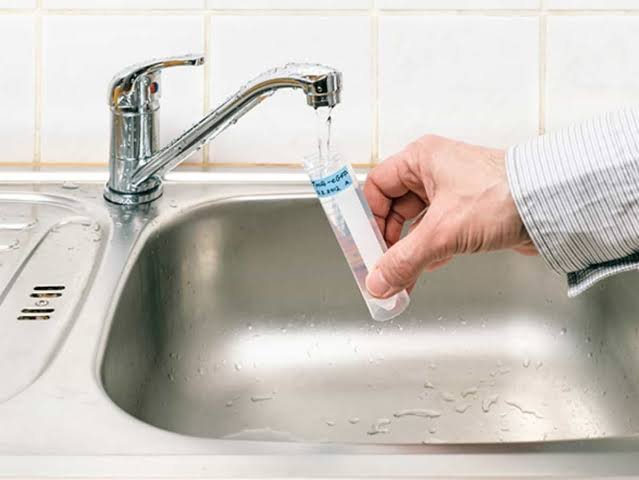
With in-home water testing, homeowners can have certain characteristics of their water supply examined without arranging a separate trip to a testing facility.
A technician may check hardness, pH, chlorine levels, and dissolved solids, depending on the assessment being offered. There’s also an opportunity to discuss concerns that might otherwise go unnoticed.
For example, perhaps your water smells unusual only when it’s hot. That detail could help narrow down the possible causes.
Basic household assessments are useful for screening common problems, although specialized laboratory testing may still be necessary for certain contaminants.
Understanding What Your Water Test Actually Measures
Water test results often contain unfamiliar terms and numbers. At first glance, they might seem unnecessarily technical. But each measurement tells a different part of the story.
Professional water quality testing and analysis can help identify characteristics that influence drinking water taste, plumbing conditions, and household maintenance.
Hardness measurements indicate the concentration of minerals associated with scale formation, primarily calcium and magnesium. A pH reading describes how acidic or alkaline the water is.
Total dissolved solids, often abbreviated as TDS, provide an estimate of dissolved substances without identifying each one individually.
Chlorine measurements may help investigate certain taste and odor concerns related to municipal disinfection.
These results need context. A high mineral reading doesn’t automatically mean your water is dangerous, just as a low TDS reading doesn’t guarantee that it’s safe.
Those Little Warning Signs Around Your Home
Sometimes, your house offers clues about water quality long before you consider scheduling a test.
Take the chalky residue that forms around bathroom faucets. It’s commonly associated with hard water. Reddish stains may indicate iron, while dark particles could originate from deteriorating plumbing components.
Laundry that feels unusually rough or glassware covered in cloudy spots may also suggest mineral-related concerns.
Then there are unusual smells. A swimming pool-like odor might be associated with chlorine, whereas a rotten egg smell could have several possible causes.
Rather than treating these signs as definitive answers, consider them reasons to investigate. A proper assessment can help distinguish between similar-looking problems that require entirely different solutions.
Turning Test Results Into Useful Recommendations
Knowing what’s in your water is helpful, but understanding what to do about it is equally important.
Reliable home water testing and recommendations should connect measured results with practical treatment options rather than automatically encouraging homeowners to purchase expensive equipment.
If excessive hardness is responsible for persistent mineral deposits, a water softener may be appropriate. Activated carbon filtration could help address certain chlorine-related tastes and odors.
Sediment filters capture suspended particles, while reverse osmosis can reduce specific dissolved contaminants when the equipment is certified for that purpose.
Sometimes, the results may indicate that your existing water supply doesn’t require additional treatment. That’s a perfectly good outcome, too.
The point of testing is to make informed decisions, not to create unnecessary expenses.
Why Private Well Water Requires Extra Attention
Homeowners relying on private wells have different responsibilities from those receiving municipally treated water.
Groundwater conditions can change because of heavy rainfall, flooding, nearby agricultural activities, and other environmental factors.
What’s tricky is that some contaminants don’t produce noticeable changes in taste, color, or smell.
Private well owners should arrange annual laboratory testing for key indicators such as bacteria and nitrates, along with additional parameters recommended by local health authorities.
Testing following flooding or significant environmental changes may also be necessary.
Even if your family has used the same well for decades, previous results don’t guarantee that current water conditions remain unchanged.
Avoiding Unnecessary Water Treatment Expenses
Water treatment equipment can represent a considerable household investment. Unfortunately, choosing a system without understanding your water quality can lead to disappointing results.
A carbon filter won’t ordinarily solve excessive water hardness. Similarly, a conventional water softener isn’t designed to remove every potentially harmful contaminant.
Testing helps prevent these mismatched purchases.
Before committing to treatment equipment, ask about installation costs, maintenance requirements, replacement components, and independently verified performance claims.
A simpler, appropriately selected system may offer better value than an elaborate setup that addresses problems your household doesn’t actually have.
When Should You Consider Testing Again?
Water quality isn’t necessarily constant. Plumbing repairs, environmental changes, and treatment equipment performance can influence household water conditions.
If you notice sudden changes in taste, odor, or appearance, further investigation may be worthwhile.
Follow-up testing after installing treatment equipment can also help verify whether it addresses the original concerns.
Knowing Your Water Makes Everyday Decisions Easier
There’s something reassuring about understanding the water your family uses every day. It takes unnecessary guesswork out of purchasing filtration equipment and helps you focus on improvements that actually matter.
Start with appropriate testing, ask questions about the findings, and explore treatment only when justified.
Better water quality begins with better information. Sometimes, that simple first step is the most valuable household improvement you can make.