Indoor air quality plays a massive role in the overall health, comfort, and financial well-being of any household. Yet, the complex network of hidden channels snaking behind walls and above ceilings often receives the least amount of attention. HVAC air ducts act as the respiratory system of a residence, continually circulating the air that families breathe day in and day out. When these pathways become clogged with dust, allergens, pet dander, or debris, the impact ripples through every corner of the home, leading to higher energy bills, uncomfortable temperature imbalances, and compromised respiratory health.
Understanding how air distribution works, recognizing the clear indicators of buildup, and knowing when to call professional services like Ducts All Done can make a profound difference in maintaining an efficient, healthy living environment.
Understanding Your Home’s Hidden Air Network
To appreciate the importance of clean air passages, it helps to understand how a typical heating, ventilation, and air conditioning system operates. The HVAC unit relies on a continuous loop of supply and return airflow. Supply ducts push conditioned air into living spaces, while return ducts draw air back into the system to be reheated or cooled.
Over months and years of continuous operation, this closed loop inevitably collects foreign particles. Dust storms, home renovation projects, furry pets, and simple daily activity introduce fine debris into the atmosphere. Once inside the ductwork, these contaminants settle along the interior walls, creating a layer of grime that gradually thickens.
As this layer builds up, the interior diameter of the passage narrows. Airflow becomes restricted, forcing the blower fan to work much harder to push the same volume of air into your living rooms and bedrooms. This extra strain directly translates to increased wear and tear on major system components, shortened equipment lifespan, and elevated monthly electricity expenses.
Recognizing the Signs of Compromised Air Duct Hygiene
Homeowners often miss early warnings because ductwork remains out of plain sight. However, several clear indicators suggest that an air distribution network requires serious attention.
Unexplained Spikes in Utility Bills
If energy bills spike during extreme weather seasons without a major change in daily consumption habits, restricted airflow could be the primary culprit. When air struggles to move through clogged vents, the heating or cooling system must run longer cycles to reach the desired thermostat setting, consuming far more power in the process.
Rapid Dust Accumulation on Furniture
Cleaning surfaces only to find a fresh layer of dust a few days later usually points toward contaminated vents. Every time the HVAC unit kicks on, it blows settled particles out through the register vents and directly onto tables, shelves, and electronics.
Uneven Room Temperatures
Inconsistent heating or cooling across different areas of a home often signals blockages within specific duct branches. If one bedroom remains stubbornly warm while the hallway feels freezing, accumulated debris or loose insulation within that specific channel could be choking off airflow.
Persistent Unpleasant Odors
Musty or stale smells circulating whenever the furnace or air conditioner turns on can indicate moisture accumulation, mold spores, or decomposing organic matter trapped deep within the vent network.
The Health Implications of Neglected Vent Systems
While energy efficiency concerns affect your wallet, indoor air quality directly affects your daily well-being. Modern homes are built with tight seals to prevent energy loss, which means indoor air cycles repeatedly without fresh ventilation from the outside.
When dusty ductwork constantly recirculates polluted air, family members sensitive to airborne irritants may experience frequent symptoms, including:
- Coughing, sneezing, and throat irritation
- Unexplained morning nasal congestion
- Increased frequency or severity of asthma flare-ups
- Unexplained headaches and fatigue while indoors
- Itchy, watery eyes during peak HVAC usage seasons
Eliminating the continuous recycling of microscopic pollutants creates a fresher, noticeably cleaner home atmosphere, offering immediate relief for asthma and allergy sufferers.
Simple DIY Habits to Preserve HVAC Efficiency
While deep structural clearing requires specialized commercial equipment, homeowners can adopt several routine practices to protect their system between professional checkups.
Replace Filters Consistently
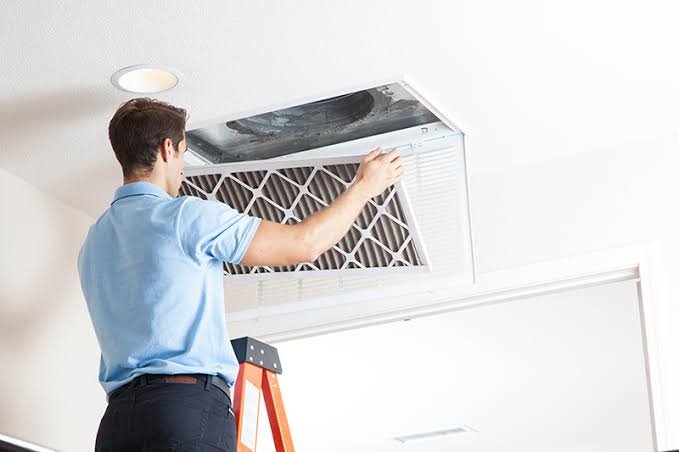
Air filters serve as the primary defensive barrier for the entire HVAC ecosystem. A dirty filter restricted by heavy lint and dirt reduces airflow dramatically and allows stray particles to bypass the frame into the duct network. Replacing standard filters every 30 to 90 days remains the simplest, most effective habit for long-term maintenance.
Keep Vents and Registers Unblocked
Ensure that large furniture pieces, heavy drapery, and thick rugs do not block supply or return registers. Obstructing vents disrupts the balanced pressure dynamics of the entire network, putting unnecessary pressure on the central fan.
Maintain Clean Floors and Living Spaces
Regular vacuuming with a HEPA-filter vacuum and frequent dust wiping minimize the volume of loose debris available to enter return vents in the first place.
Schedule Regular Mechanical Inspections
Having a certified technician inspect heating elements, cooling coils, and blower fans ensures that mechanical components stay clean and leak-free, preventing moisture build-up that encourages fungal growth.
What to Expect During a Professional Duct Cleaning Service
Attempting to clean extensive interior ductwork using household equipment or shop vacuums usually proves ineffective, as standard household tools lack the negative pressure required to pull heavy debris out from deep within walls.
A thorough, professional service involves systematic steps designed to sanitize the entire air pathway without spreading dust into living quarters:
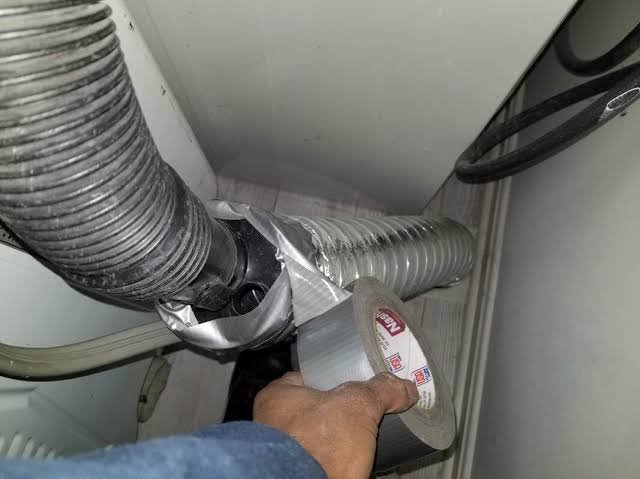
- System Inspection: Technicians examine the overall structure, searching for loose connections, air leaks, collapsed flexible ducts, or signs of moisture accumulation.
- Negative Pressure Vacuum Setup: High-powered vacuum equipment attaches directly to the main trunk line, creating strong negative air pressure throughout the system to prevent dust from escaping into rooms during the process.
- Agitation and Dislodging: Using specialized rotary brushes, air whips, and compressed air nozzles, technicians scrub the interior walls of each duct line, dislodging stubborn dirt and debris toward the central collection unit.
- Register and Vent Sanitization: Supply registers and return grilles are washed and sanitized to eliminate surface buildup.
- Final Airflow Verification: The service concludes with a full system test to ensure clean, balanced, and unobstructed airflow throughout the home.
Investing in continuous air quality maintenance ultimately safeguards both your property value and your family’s daily comfort. By keeping air distribution pathways clear of buildup, you ensure smooth performance, lower operating costs, and fresh, easy-breathing air in every room year after year. To schedule your service and secure your home’s well-being, click here.