Most people don’t think much about their water supply until something changes. Maybe the drinking water develops an unusual taste, white marks begin appearing around the taps, or the shower pressure drops without warning. These little signs are easy to overlook, especially when life is busy. Yet they can tell you quite a bit about what’s happening inside your plumbing system.
Good water quality isn’t something you achieve once and forget about. Water sources change, pipes age, filters wear out, and household needs evolve over time. Whether you rely on municipal water, a borewell, or a private well, paying attention to these changes can help protect your family, prevent avoidable repairs, and keep your water treatment equipment working as intended.
The good news is that maintaining a reliable water supply doesn’t have to be complicated. A few sensible habits, combined with timely professional advice, can go a long way.
Why Regular Water Checks Matter
Water that looks clean isn’t always free from unwanted contaminants. Dissolved minerals, certain metals, agricultural chemicals, and microorganisms may be present without producing an obvious change in appearance. That’s one reason relying entirely on taste, smell, or color can be misleading.
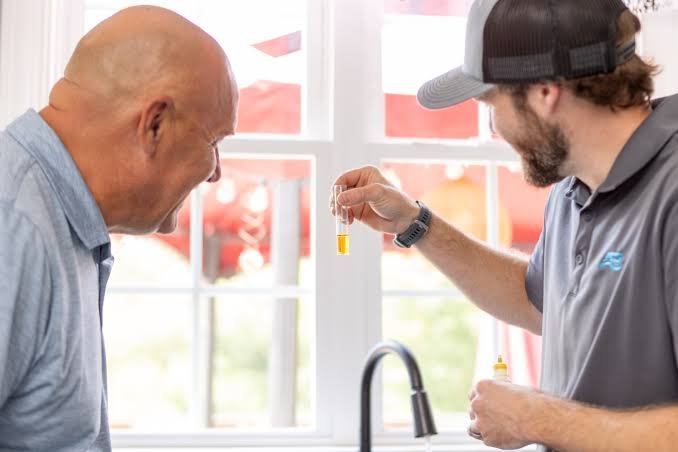
Regular water testing helps you understand what’s actually coming through your taps. The right testing schedule depends on your water source, local conditions, previous test results, and any known contamination risks.
For households using municipal supplies, reviewing available water-quality reports can provide useful background information. However, those reports may not reveal problems developing inside a property’s own plumbing. Older pipes, corroded fittings, and poorly maintained storage tanks can affect water after it leaves the treatment facility.
Borewell and private-well users have different considerations. Groundwater quality may vary with rainfall, nearby construction, agricultural activity, and changes in the surrounding environment. Periodic laboratory testing is particularly valuable in these situations.
If you notice a sudden change in taste, smell, or appearance, don’t simply assume the problem will disappear. Investigate the cause and arrange appropriate testing when necessary. If contamination is suspected, use a verified safe water source for drinking and cooking until the concern has been addressed.
Testing is most useful when it leads to an informed decision. There’s little point in spending money on a sophisticated filter without knowing which substances it needs to reduce.
Recognizing the Signs of a Water Quality Problem
Some water concerns announce themselves fairly clearly. Others develop so gradually that you hardly notice them until the damage is done.
White, chalky deposits around faucets and showerheads often indicate hard water. These mineral deposits can also build up inside water heaters and household appliances. While hardness isn’t usually a direct health concern, persistent scaling may increase cleaning demands and contribute to equipment inefficiency.
Brown or reddish staining can point to iron in the water or corrosion somewhere in the plumbing system. A rotten-egg smell may be associated with hydrogen sulfide, although other causes are possible. Cloudiness could result from harmless air bubbles, suspended particles, or a more significant problem that deserves investigation.
Low water pressure isn’t necessarily a water-quality issue, either. A clogged filter, leaking pipe, faulty pressure regulator, or mineral buildup may be responsible.
That’s why it’s important not to jump to conclusions. A symptom provides a clue, not a complete diagnosis. If several fixtures are affected or the problem keeps returning, a qualified plumber or water-treatment professional can help narrow down the cause.
Pay attention to patterns, too. Does the smell appear only when using hot water? Does staining occur at every tap or just one? Does the pressure drop after a filter replacement? These small details can save time during an inspection.
Knowing When Your Water Treatment System Needs an Upgrade
Water treatment equipment doesn’t remain equally effective forever. Household demand can increase, local water conditions can change, and technology may improve enough to make a newer option worth considering.
Still, replacing equipment simply because something newer is available isn’t always a sensible move. Start by examining how well your existing system performs. Are the original water-quality concerns still being addressed? Have replacement parts become difficult to find? Is the equipment appropriately sized for your current household?
Well-planned system upgrades begin with those practical questions rather than a sales pitch.
For example, a family that has moved into a larger home might find that an older filtration unit struggles to keep up with peak demand. A household using borewell water may discover through testing that its mineral content has changed. In either situation, reviewing the treatment setup makes more sense than automatically purchasing the same equipment again.
Different technologies solve different problems. Sediment filters remove suspended particles, activated carbon can reduce certain chemicals and unpleasant tastes, and reverse osmosis systems can reduce many dissolved substances when properly selected. Water softeners address hardness but aren’t designed to disinfect contaminated water.
The right upgrade depends on the specific concern. Check product certifications, rated flow capacity, replacement costs, and the contaminants a system has been independently tested to reduce.
It’s also worth considering water efficiency. Some treatment systems produce wastewater, while others require electricity or regular consumables. Over several years, those operating costs can become a significant part of the investment.
The Importance of Looking After Your Equipment
Even an excellent treatment system can disappoint when it’s neglected. Filters gradually collect particles, membranes may lose performance, and softeners require attention to keep operating properly.
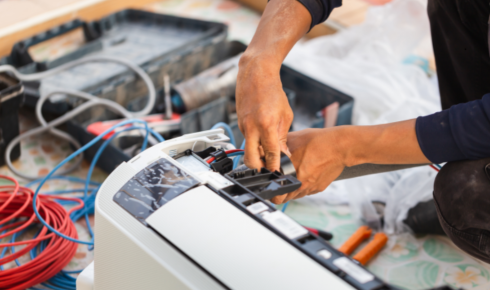
This is where ongoing maintenance becomes essential. Follow the manufacturer’s replacement schedule, but also consider actual usage and the quality of the incoming water. A cartridge treating heavily sedimented water may need attention sooner than one serving a relatively clean supply.
Keep a simple record of installation dates, filter changes, service visits, and any unusual changes in water quality. You don’t need an elaborate spreadsheet; a note on your phone will do.
Inspect visible connections occasionally, particularly after changing a filter. Look for moisture beneath the sink, dripping fittings, damaged tubing, or unusual noises from pumps. Small leaks are easier to manage before they damage cabinets, flooring, or nearby electrical equipment.
Storage tanks deserve attention as well. Poorly maintained tanks can collect sediment and become vulnerable to contamination. Cleaning and disinfection should follow appropriate guidance for the tank type and local water conditions.
If your system includes ultraviolet disinfection, follow its lamp replacement and maintenance requirements. If it uses reverse osmosis, make sure the membrane and associated cartridges are serviced as directed. Different systems have different needs, so one maintenance routine won’t fit every installation.
And remember, changing a filter doesn’t automatically guarantee safe water. Where safety is a concern, appropriate testing is still important.
Small Changes That Help Reduce Water Waste
Water quality and water conservation are closely connected. A leaking toilet, dripping tap, or poorly maintained pipe wastes treated water and may increase household expenses without anyone noticing immediately.
Check for leaks periodically, especially in less visible areas such as under sinks, behind washing machines, and around outdoor taps. If your water meter continues moving when every fixture is switched off, investigate further.
Water-efficient fixtures can also reduce consumption without making daily routines uncomfortable. Modern showerheads and dual-flush toilets, for instance, can help lower water use when selected and installed appropriately.
If you have a garden, watering early in the morning or later in the evening can reduce evaporation. Collecting rainwater for suitable non-drinking uses may be another option, provided the system is designed and maintained properly.
These changes may seem modest on their own, but their benefits add up over time. Less wasted water can mean lower bills, reduced pressure on local supplies, and fewer unnecessary demands on treatment infrastructure.
A Better Approach to Water Starts With Awareness
Maintaining good water quality isn’t about chasing perfection or buying the most expensive equipment on the market. It’s about understanding your supply, noticing changes, and responding before small concerns become bigger problems.
Start with reliable testing when appropriate. Keep plumbing and storage facilities in good condition, choose treatment equipment based on actual needs, and don’t postpone routine servicing. If something changes unexpectedly, investigate rather than guessing.
Clean, dependable water supports nearly every part of daily life, from cooking breakfast to washing clothes and keeping a home comfortable. Giving it a little attention now can prevent unnecessary expense later.
In the end, the best water management plan is the one you can realistically maintain. A few informed decisions, repeated consistently, can make a meaningful difference to your home’s water quality, your equipment’s lifespan, and your peace of mind.