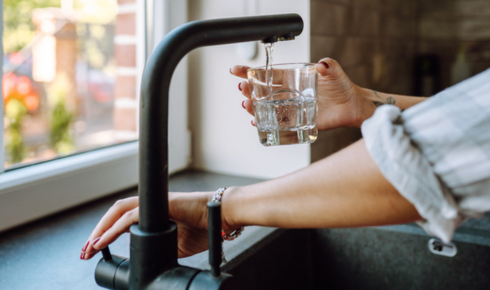
There’s a point—quiet, almost forgettable—when you start questioning your drinking water. Maybe it’s the taste. Maybe it’s the hassle of refilling bottles, or the way you hesitate for a second before pouring a glass straight from the tap.
It’s not a big moment. No dramatic realization. Just a small shift in awareness.
And once it happens, you start noticing more.
The Everyday Relationship We Have With Water
Water isn’t just something we drink. It’s part of our rhythm—morning coffee, mid-day hydration, that late-night glass you didn’t realize you needed.
But here’s the strange thing: for something so essential, we rarely think about how it reaches us. We assume it’s “good enough,” whatever that means.
Until it doesn’t feel that way anymore.
That’s usually when people start exploring better options—not out of fear, but out of curiosity. A simple desire for something cleaner, easier, more reliable.
When Taste Becomes the Turning Point
Taste is often the first thing that nudges people toward change. It’s subtle, but unmistakable. A slight bitterness, a chemical aftertaste, or just a flatness that makes water feel less refreshing than it should.
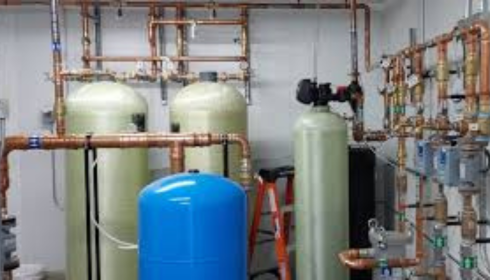
That’s where reverse osmosis systems quietly come into the picture. They’re designed to strip away impurities at a microscopic level, leaving water that tastes crisp and clean—almost like the kind you’d expect from a premium bottled brand.
What’s interesting is how quickly you adapt. After a few days, that cleaner taste becomes your new normal. And suddenly, going back feels… off.
Convenience Matters More Than We Admit
Let’s be honest—most of us have, at some point, relied on bottled water. It feels safe, predictable, easy.
But it’s also a hassle. Carrying heavy bottles, finding storage space, remembering to restock. It adds up.
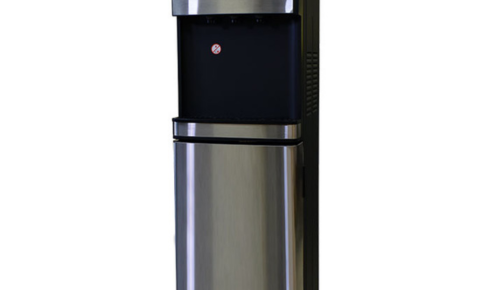
That’s why bottleless water coolers have been gaining attention. They connect directly to your water supply, providing filtered water on demand—hot, cold, or room temperature—without the need for constant refills.
It’s one of those upgrades that simplifies life in a way you don’t fully appreciate until you experience it. No more planning around water. It’s just… there.
The Invisible Layer of Protection
Not all concerns with water are visible or taste-related. Some of them exist entirely beneath the surface.
Microorganisms—bacteria, viruses—don’t change how water looks or smells. But they’re still something people want to address, especially in areas where water quality can vary.
That’s where uv water purification plays a role. It uses ultraviolet light to neutralize harmful microbes without adding chemicals or altering taste. It’s quiet, efficient, and largely invisible in its operation.
And maybe that’s what makes it appealing—it works without asking for attention.
It’s Not About Having Everything at Once
One of the biggest misconceptions about upgrading your water is that you need a full, complex system right from the start.
You don’t.
Some households focus on drinking water first. Others prioritize convenience. Some look for added protection. There’s no single path, no perfect setup that fits everyone.
It’s more about understanding what matters most to you and building from there.
The Small Changes That Stick
What’s surprising isn’t just the improvement in water itself—it’s how it influences your habits.
You drink more water because it tastes better. You rely less on bottled options. Your kitchen feels a bit more organized without stacks of plastic containers taking up space.
These aren’t dramatic shifts. They’re small, consistent changes that quietly improve your routine.
And over time, they become part of how you live.
A Different Kind of Upgrade
We’re used to upgrades that are visible—new appliances, updated interiors, things you can point to and say, “that’s new.”
Water doesn’t work like that.
It’s a background improvement. Something that enhances your daily experience without drawing attention to itself.
And maybe that’s why it feels so different. It’s not about showing off—it’s about feeling better.
Starting Where You Are
If you’ve been thinking about your water lately—even just a little—you don’t need to have all the answers.
Start with what you’ve noticed. Is it the taste? The inconvenience? A general sense that things could be better?
From there, the next steps tend to feel more natural. You explore options, ask questions, maybe try something small.
And slowly, things improve.
Where It All Lands
At the end of the day, better water isn’t about perfection. It’s about trust. Trust in what you’re drinking, in how your home functions, in the little routines that make up your day.
And once you find that balance—clean taste, easy access, quiet reliability—it becomes part of your life in a way that feels effortless.
Not a big change. Just a better one.