Most people don’t wake up thinking about water.
You turn on the tap, fill a glass, move on with your day. It’s routine, almost automatic. But every now and then, something feels off—maybe a slightly bitter taste, maybe a faint smell you can’t quite place.
It’s subtle, easy to ignore. But once you notice it, it sticks with you.
And that’s usually where curiosity begins.
The First Step Is Just Understanding
Before jumping into solutions, there’s something surprisingly simple that often gets overlooked—knowing what’s actually in your water.
Not guessing. Not assuming. Just understanding.
That’s why free water testing can be such a useful starting point.
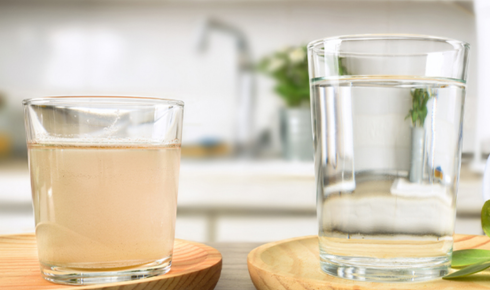
It gives you a snapshot of your water’s condition—minerals, contaminants, pH levels—all the things you can’t see but definitely experience. And once you have that information, everything else starts to make more sense.
You’re no longer shooting in the dark. You’re making decisions based on something real.
Why Water Feels Different in Different Places
If you’ve ever traveled and noticed that water tastes different from place to place, you’re not imagining it.
Water reflects its environment.
In regions like Southern California, for example, water often carries a distinct profile shaped by drought conditions, imported water sources, and heavy treatment processes.
That’s why discussions around southern california water issues come up so often.
It’s not about something being “wrong”—it’s about understanding the unique challenges that come with that environment. Hardness, chlorine levels, and mineral content all play a role in shaping how water feels and behaves.
And once you recognise that, it becomes easier to approach solutions in a more targeted way.
One Size Doesn’t Fit All
There’s a tendency to look for the “best” water system.
But here’s the thing—there isn’t one.
Every home is different. Every water source is different. What works perfectly for one household might not solve the problem for another.
That’s where customized water solutions really stand out.
Instead of forcing a generic system to handle specific issues, they adapt to your situation. Your water, your usage, your priorities.
And that approach tends to feel more natural—less trial and error, more clarity.
The Small Signs That Add Up Over Time
Water doesn’t usually cause obvious problems.
It hints.
A bit of scale on your fixtures. Soap that doesn’t lather the way it used to. A faint residue on dishes that wasn’t there before.
Individually, these things don’t seem like a big deal. But together, they start to tell a story.
And paying attention to those small signals can help you understand what your water needs before it becomes something bigger.
Why Improving Water Feels Subtle—but Important
One of the most interesting things about improving water quality is how quiet the change can be.
You don’t always notice it immediately.
Instead, it shows up in everyday moments. Your coffee tastes better. Your shower feels smoother. Your appliances seem to run a little more efficiently.
It’s not dramatic. It’s consistent.
And over time, that consistency becomes something you rely on.
Keeping It Simple Matters
It’s easy to get overwhelmed by options.
Filters, softeners, purification systems—there’s no shortage of choices. But the goal isn’t to build a complicated setup.
It’s to find something that fits into your life without adding stress.
The best solutions are the ones you don’t have to think about constantly. They just work, quietly in the background.
Maintenance: The Part That Keeps It All Going
Even the most effective system needs a little attention.
Filters need replacing. Components need occasional checks. Small adjustments keep everything running smoothly.
It’s not a big commitment, but it’s what keeps your water consistent over time.
Without maintenance, even a great system can slowly lose its effectiveness.
When Better Water Becomes Normal
There’s a point where improved water quality stops feeling like an upgrade.
At first, you notice everything. The taste, the clarity, the way your daily routine feels just a bit easier.
But over time, it fades into the background again.
Not because it’s less important—but because it’s doing exactly what it should.
And that’s the goal.
Final Thoughts: Letting Water Work the Way It Should
At the end of the day, water is something you rely on constantly.
It’s part of your mornings, your meals, your routines.
Improving it doesn’t require dramatic changes. Just a bit of awareness, a little understanding, and the right approach for your situation.
Because when your water feels right, you stop questioning it.
You just use it.
And sometimes, that quiet simplicity is exactly what you’ve been looking for all along.