
Water is one of those things we rarely stop to think about—until something feels off. Maybe your coffee suddenly tastes different. Perhaps your shower leaves white spots on the glass, or your tap water has developed an odd smell after a heavy rain. Sometimes nothing changes at all, yet hidden contaminants can still be present beneath the surface.
That’s what makes water testing so valuable. It replaces assumptions with facts. Instead of wondering whether your water is safe or suitable for everyday use, you get real answers based on scientific analysis. Whether your home relies on a private well or a municipal supply, understanding your water quality is one of the simplest ways to protect your family’s health and your home’s plumbing.
Why Clear Water Doesn’t Always Mean Clean Water
It’s easy to believe that crystal-clear water must be perfectly safe. Unfortunately, appearances don’t tell the whole story.
Many contaminants—including bacteria, nitrates, heavy metals, and certain chemicals—are completely invisible. They often have no taste, smell, or color, making them impossible to identify without proper laboratory analysis.
Natural minerals can also affect water quality over time. Groundwater moves through layers of rock and soil, collecting dissolved substances along the way. Even treated city water can pick up impurities as it travels through aging pipes before reaching your faucet.
Because these changes happen quietly, regular testing provides reassurance that what you’re drinking is exactly what you expect.
Every Home Has a Different Water Story
No two properties share identical water conditions.
A family living just a few streets away may experience completely different water characteristics because of plumbing materials, groundwater conditions, local infrastructure, or seasonal environmental changes.
Private wells are especially influenced by rainfall, nearby agriculture, septic systems, and underground geology. Municipal water systems are carefully monitored, but individual homes may still experience localized issues related to older plumbing or distribution lines.
That uniqueness is why generalized advice rarely works. Testing gives homeowners information that’s specific to their own property rather than broad assumptions.
Professional Testing Provides Answers You Can Trust
Home testing kits certainly have their place. They’re convenient and often useful for quick checks, but they generally evaluate only a limited number of parameters.
Professional laboratories perform much more comprehensive analysis, providing detailed results that explain exactly what’s present in your water. Instead of a simple pass-or-fail reading, homeowners receive meaningful data that helps them understand both current conditions and potential future concerns.
That extra level of information makes a significant difference when deciding whether any treatment is actually necessary.
Why Accredited Laboratories Matter
Accuracy matters just as much as testing itself.
Choosing accredited laboratories means your water is analyzed using recognized procedures, calibrated equipment, and established quality-control standards. These facilities follow strict protocols designed to produce consistent, dependable results.
For homeowners, that translates into confidence. Rather than relying on estimates or incomplete readings, you’re working with information generated through professional scientific methods.
When making decisions about drinking water safety or investing in filtration equipment, trustworthy data is always the best place to start.
Water Testing Helps Solve Problems Before They Grow
Many household issues begin gradually.
Hard water slowly coats heating elements with mineral scale. Iron leaves orange stains on sinks and laundry. Sulfur creates unpleasant odors that seem to appear overnight. Elevated sediment reduces appliance efficiency little by little until performance noticeably declines.
Identifying these water problems early allows homeowners to address the root cause before expensive repairs become necessary.
Instead of replacing damaged appliances years sooner than expected, small improvements to water quality often extend their lifespan while improving everyday comfort.
Understanding Your Report Doesn’t Have to Be Complicated
Laboratory reports sometimes look intimidating at first glance. Numbers, abbreviations, and technical terminology can seem overwhelming.
Fortunately, most modern reports include clear reference ranges and explanations that help homeowners interpret the findings. In many cases, professionals are also available to explain whether a particular measurement represents a health concern, an aesthetic issue, or simply a naturally occurring mineral.
Not every unusual reading requires immediate treatment, and that’s important to remember. Sometimes the report simply confirms that your water is already in excellent condition.
Either outcome provides valuable peace of mind.
Water Quality Changes More Than People Realize
One common misconception is believing that a single test lasts forever.
Water conditions evolve over time. Heavy storms, seasonal groundwater fluctuations, nearby construction, aging plumbing, and environmental changes can all influence water quality months or years after an earlier test.
That’s why periodic testing is recommended rather than treating it as a one-time event.
Think of it like servicing your vehicle. Even when everything seems to be working perfectly, routine maintenance helps prevent unexpected surprises down the road.
Better Water Supports Everyday Living
Good water affects much more than drinking.
It influences the taste of coffee and tea, the softness of freshly washed clothes, the longevity of household appliances, and even how comfortably soap lathers during a shower.
Families often notice improvements they weren’t expecting after addressing water quality issues. Dishes come out cleaner. Laundry feels softer. Fixtures remain brighter. Water heaters operate more efficiently, and maintenance costs gradually decrease.
Those small improvements add up over years of daily use.
Making Smart Decisions Instead of Guessing
The market is full of filtration systems promising dramatic improvements, but not every home needs the same solution.
Without testing, homeowners sometimes purchase equipment that doesn’t actually address their specific water conditions. Others may overlook genuine concerns because the water appears perfectly normal.
Testing removes that uncertainty.
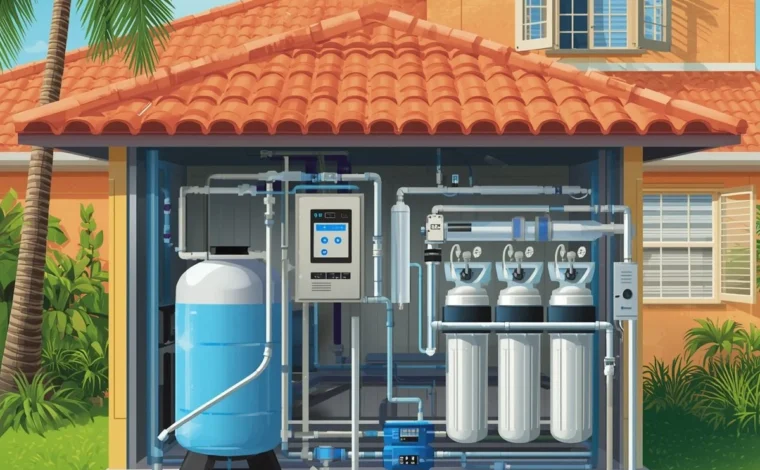
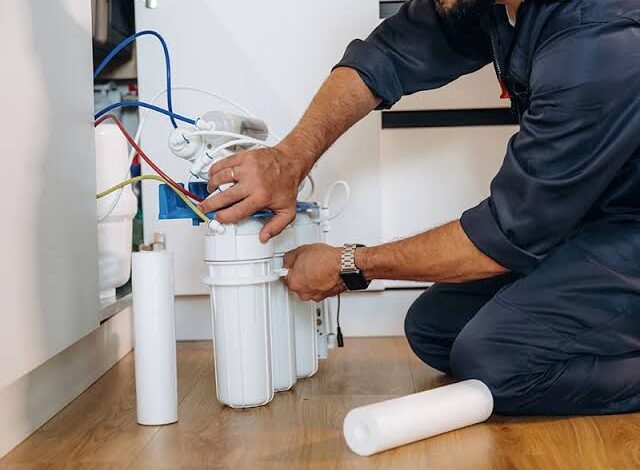
Rather than buying products based on advertising or assumptions, you’re making informed decisions backed by actual scientific evidence. Whether the solution is a whole-house filtration system, a water softener, reverse osmosis, or simply no treatment at all, the decision becomes much easier when it’s supported by reliable information.
Final Thoughts
Water quietly supports nearly every part of daily life, yet it’s surprisingly easy to overlook its quality until noticeable changes appear. The reality is that many issues remain hidden long before they become visible or affect taste and odor.
Professional water testing offers far more than numbers on a report. It provides clarity, confidence, and practical guidance that helps homeowners protect their families, preserve their plumbing systems, and avoid unnecessary expenses.
Whether you’re moving into a new home, maintaining a private well, or simply curious about what’s flowing from your tap, taking the time to understand your water is a worthwhile investment. A simple test today can prevent bigger concerns tomorrow, ensuring that every glass of water—and every drop used throughout your home—supports a healthier, more comfortable way of living.