
Most of us don’t think much about water. You turn the tap, fill a glass, rinse your hands—it’s just part of life. Quiet, dependable, almost invisible.
Until something changes.
Maybe the taste feels slightly off. Maybe there’s a faint smell you can’t quite place. Or maybe your appliances start showing signs of wear faster than expected. It’s never dramatic, but it’s enough to make you pause.
And once you notice it, you start wondering what your water is really like.
The First Step: Knowing What You’re Dealing With
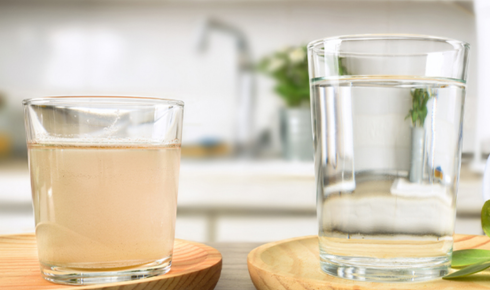
Here’s the thing—guessing doesn’t help much when it comes to water quality. It might look clear and still carry minerals or contaminants you can’t see.
That’s why starting with a free water test makes sense. It’s simple, usually quick, and gives you a clearer picture of what’s actually in your water. Not assumptions, not guesswork—just real information.
And that information changes how you approach everything that comes next.
Because once you know what’s in your water, you can decide what needs to change… and what doesn’t.
Why Water Quality Feels Personal at Home
Water isn’t just something you drink. It touches almost every part of your day. Showers, laundry, cooking—it’s everywhere.
That’s why residential water solutions tend to focus on comfort as much as quality. It’s not always about removing something harmful. Sometimes, it’s about improving how water feels and behaves.
Softening hard water can make a shower feel gentler. Filtering can improve taste. Even something as small as reducing residue can make your home feel cleaner overall.
It’s subtle, but noticeable.
And over time, those small improvements add up.
When Water Becomes a Business Concern
Now shift the setting a bit—from home to workplace.
In a business environment, water quality isn’t just about comfort. It’s about performance, reliability, and sometimes even reputation.
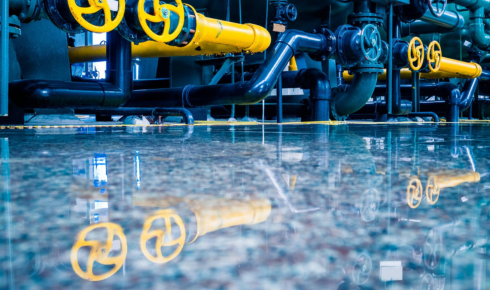
That’s where commercial water solutions come into play. Restaurants, offices, manufacturing setups—they all depend on consistent water quality for different reasons.
A restaurant might need better-tasting water for food and beverages. A factory might require precise water conditions for machinery. Even a simple office can benefit from cleaner, better-tasting drinking water for employees.
The stakes are different, but the principle is the same: better water leads to better outcomes.
The Signs You Might Be Overlooking
Water issues don’t always announce themselves clearly. They show up in small, everyday ways.
Spots on dishes. Dry skin after a shower. Soap that doesn’t lather well. Appliances that seem to wear out faster than they should.
Individually, these things don’t seem like a big deal. But together, they point to something deeper.
It’s easy to dismiss them as minor annoyances. But they’re often clues—quiet signals that your water could be improved.
Choosing What Actually Works for You
Once you understand your water, the next step is figuring out what to do about it. And this is where things can get a bit overwhelming.
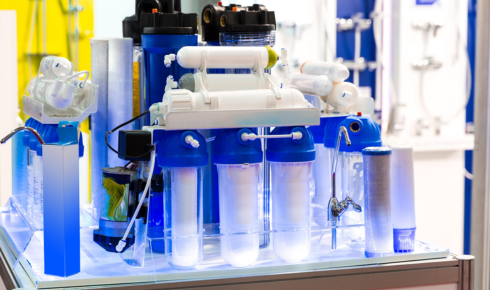
There are filters, softeners, purification systems—all promising different benefits.
The key is not to rush.
What works for one home or business might not work for another. It depends on your water, your usage, and what matters most to you.
Some people focus on taste. Others care about protecting appliances. Some want a bit of everything.
There’s no single right answer—just the one that fits your situation best.
The Quiet Benefits of Better Water
What’s interesting about improving water quality is how quietly it changes things.
You don’t wake up one day thinking, “Everything is different.” Instead, you notice small improvements.
Your coffee tastes better. Your laundry feels softer. Your skin doesn’t feel as dry after a shower. Even your appliances seem to run more smoothly.
These aren’t dramatic changes, but they make everyday life feel a bit easier.
And over time, that ease becomes the new normal.
Maintenance: The Part That Keeps It All Working
Installing a solution is one thing. Keeping it effective is another.
Filters need replacing. Systems need occasional checks. It’s not complicated, but it does require attention.
Skipping maintenance can slowly undo the benefits you’ve gained. Water quality might decline again, often so gradually that you don’t notice until it’s already affecting your routine.
A little consistency goes a long way here.
Final Thoughts: Paying Attention to What’s Often Ignored
Water is one of those things we take for granted—until we can’t.
Improving it isn’t about fixing something that’s obviously broken. It’s about paying attention to the details that shape your daily experience.
So if something feels off, even slightly, it’s worth exploring. Not with urgency or stress, but with curiosity.
Because sometimes, the simplest changes—like better water—have the most lasting impact on how your home or business feels.