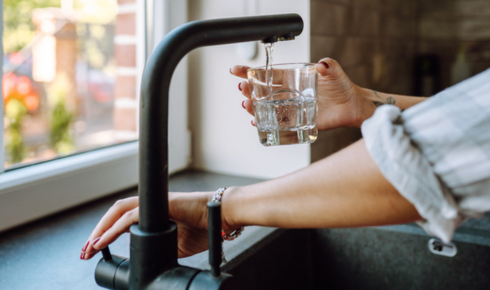
There’s a certain kind of peace that comes from not having to think about your water. You turn the tap, fill a glass, and drink—no second guessing, no odd taste, no mental checklist of “is this okay?” It sounds simple, almost obvious. But if you’ve ever dealt with strange odors, chalky residue, or that faint metallic aftertaste, you know it’s not always that straightforward.
Water is one of those everyday essentials we don’t question—until something feels off. And when it does, it tends to affect more than just your drinking habits. It sneaks into your routine in quiet ways.
When You Start Noticing the Little Things
It usually begins with something small. Maybe your skin feels dry even after a shower. Or your dishes come out of the dishwasher looking less than clean, with cloudy spots that refuse to disappear. Sometimes it’s the laundry—stiff towels, faded colors, fabrics that just don’t feel right anymore.
These aren’t dramatic problems, but they add up. They nudge you into realizing that your home’s water quality might not be as good as you assumed.
And here’s the thing—water issues aren’t always visible. What you can’t see often matters more than what you can. Minerals, chemicals, even trace contaminants—they all play a role in how your water behaves.
The Idea of Treating Water at the Source
Once you start looking into solutions, you’ll notice there’s no shortage of options. Filters, purifiers, softeners—it can feel like stepping into a maze.
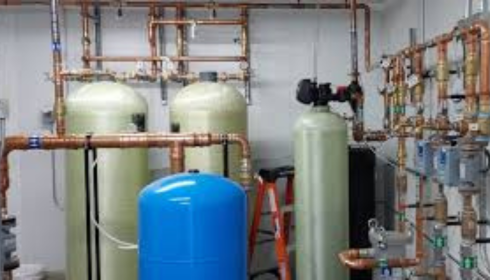
But one approach stands out for its simplicity: treating water at the point where it enters your home. That’s essentially what whole home filtration systems do. Instead of fixing water at individual taps, they address the issue at the source.
It’s a bit like upgrading your entire system rather than patching things up room by room. Every faucet, every shower, every appliance benefits. You don’t have to think about which tap is “safe” or which one tastes better—it’s all consistent.
For many homeowners, that consistency alone is worth it.
Drinking Water Deserves Extra Attention
Even with a full-home solution, drinking water often gets special treatment—and for good reason. What you consume directly should be as clean and refined as possible.
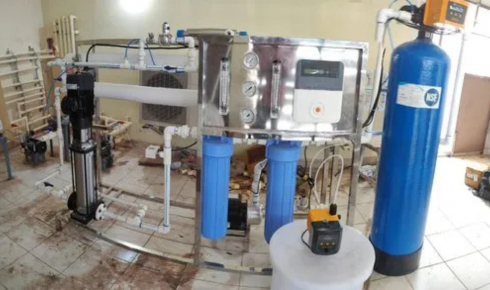
That’s where reverse osmosis systems come into play. They’re designed to remove a wide range of impurities, from dissolved salts to certain chemicals, leaving you with water that tastes… well, like nothing. And oddly enough, that’s a good thing.
Neutral, clean water is something you only truly appreciate after you’ve lived without it. Coffee tastes better. Tea feels smoother. Even cooking changes in subtle ways you didn’t expect.
It’s Not Just About Health—It’s About Living Comfortably
We often frame water improvement as a health decision, and yes, that’s a big part of it. But there’s also a lifestyle element that doesn’t get talked about enough.
Better water changes how your home feels.
Showers become more relaxing instead of leaving your skin tight and itchy. Your appliances last longer because they’re not constantly fighting mineral buildup. Cleaning becomes easier—less scrubbing, fewer harsh chemicals.
It’s one of those upgrades that quietly improves multiple areas of your life at once.
Finding What Works Without Overcomplicating It
If you’re thinking about improving your water, it’s easy to fall into over-analysis. There’s a temptation to research every possible system, compare endless specs, and delay the decision entirely.
But it doesn’t have to be that complicated.
Start by understanding your specific issue. Is it hardness? Taste? Odor? Once you know that, the path becomes clearer. You don’t need the most advanced system—you need the right one.
Sometimes a simple solution is enough. Other times, a combination makes sense. Either way, the goal isn’t perfection. It’s improvement.
A Small Change That Feels Bigger Than It Is
What surprised me most about improving water at home wasn’t the technical side—it was how quickly it became the new normal. Within days, you stop noticing the absence of problems. No weird taste. No residue. No second thoughts.
And then, when you encounter poor water elsewhere, you realize just how much has changed.
It’s subtle, but it matters.
A Thought to Carry Forward
Water touches almost every part of your daily life, yet it’s often the last thing we think about upgrading. Maybe because it’s invisible, or maybe because we assume it’s “good enough.”
But if something feels off—even slightly—it’s worth paying attention to.
Because better water isn’t about luxury or over-engineering your home. It’s about comfort, consistency, and that quiet confidence you get from knowing something as essential as water is working exactly the way it should.