Water has a strange way of staying in the background until something goes wrong. You don’t think much about it while making coffee in the morning or rinsing vegetables at dinner. It’s just there, doing its job quietly. But the moment your tap water smells unusual, leaves stains behind, or tastes a little metallic, it suddenly becomes impossible to ignore.
More homeowners and businesses are starting to realise that water quality affects far more than drinking alone. It touches appliances, plumbing, skin health, energy efficiency, and even peace of mind. And honestly, once people experience properly filtered water, it’s hard to go back to “good enough.”
The Growing Awareness Around Water Quality
A decade ago, most people assumed municipal water systems handled everything perfectly. Today, consumers are more informed — maybe even a little more cautious. News stories about contamination, aging pipelines, and hard water problems have made people pay closer attention to what’s coming out of their taps.
At the same time, modern filtration technology has become much more accessible. What used to feel industrial or overly technical now fits neatly under a kitchen sink or inside a utility room.
That shift has changed the conversation completely. Water systems are no longer viewed as niche upgrades for wealthy homeowners. They’ve become practical investments in comfort, convenience, and long-term maintenance.
Why Filtration Technology Matters More Than Ever
Different regions face different water challenges. In some places, the issue is heavy mineral content. In others, it’s chlorine taste, sediment, iron staining, or contaminants that affect odor and clarity.
The problem is, many water issues aren’t obvious at first. Hard water slowly damages appliances. Sediment builds quietly in plumbing. Chlorine changes the flavour of coffee and tea without people fully realising why things taste “off.”
That’s why advanced filtration systems have become so valuable. Modern setups are designed to target specific concerns rather than applying a generic solution to every household.
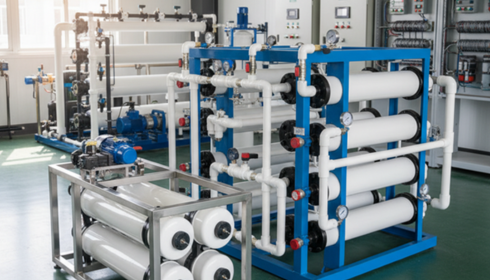
For many families, reverse osmosis systems have become one of the most trusted options for improving drinking water quality. These systems are designed to reduce impurities at a very fine level, helping create water that tastes cleaner and feels noticeably fresher.
People often notice the difference immediately. Ice cubes look clearer. Coffee tastes smoother. Even simple things like cooking pasta or washing fruit somehow feel better. It’s subtle, but once you notice it, you really notice it.
Every Water Problem Has Its Own Personality
One thing professionals in the industry often mention is that no two homes have exactly the same water profile. That’s important because people sometimes buy systems online without fully understanding what they’re trying to fix.
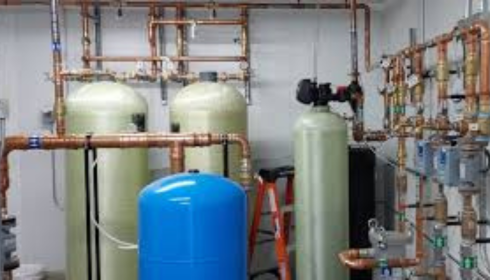
A home with high iron content needs a different setup than a property dealing with sulfur smells or heavy hardness. And sometimes the solution isn’t a single machine — it’s a combination of filtration, conditioning, and purification working together.
That’s where tailored problem water solutions become incredibly useful. Instead of forcing a generic filter onto every situation, these systems are designed around the actual condition of the water supply.
Honestly, that personalised approach saves people money in the long run. It avoids overbuying equipment that isn’t necessary while still solving the real issue effectively.
Businesses Face Water Challenges Too
Water quality discussions often focus on residential homes, but commercial spaces deal with many of the same problems — sometimes at a much larger scale.
Restaurants depend heavily on clean water for cooking and beverages. Hotels need consistent water quality for guest comfort. Manufacturing facilities often require specialised filtration to protect equipment and maintain operational standards.
Even something as simple as hard water buildup can become expensive in commercial environments. Boilers, dishwashers, coffee machines, and industrial equipment all suffer when mineral deposits accumulate over time.
That’s why many industries now rely on dedicated commercial solutions designed specifically for higher water demand and operational efficiency. These systems aren’t just about cleaner water; they help reduce downtime, improve equipment lifespan, and maintain consistent performance across daily operations.
And in customer-facing businesses, water quality directly affects reputation too. Nobody forgets bad-tasting coffee at a café or cloudy glasses in a restaurant.
Maintenance Is the Part Nobody Talks About Enough
Here’s the thing people sometimes overlook: even the best filtration system still needs proper maintenance.
Filters wear out. Membranes eventually need replacement. Salt levels in conditioning systems have to be monitored. It’s not complicated, but ignoring maintenance can reduce performance surprisingly fast.
The good news is that modern systems are far easier to maintain than older generations. Many units now include monitoring features, efficiency tracking, and simplified filter replacement designs.
Still, having a reliable service provider matters. A knowledgeable technician can spot issues early and make adjustments before small problems become expensive repairs.
Better Water Quietly Improves Everyday Life
What’s interesting about water quality improvements is that the benefits rarely feel dramatic at first. Instead, they show up gradually in daily routines.
Your shower feels softer. Glassware looks cleaner. Appliances stop struggling. Drinking more water suddenly feels easier because it actually tastes good. Little things begin improving in ways you didn’t expect.
And maybe that’s why people continue investing in filtration systems despite the upfront cost. Cleaner water doesn’t just protect plumbing or improve taste. It changes how a home or business feels day to day.
It’s one of those behind-the-scenes upgrades that quietly makes everything work a little better — and once people experience that difference, they rarely want to return to untreated water again.