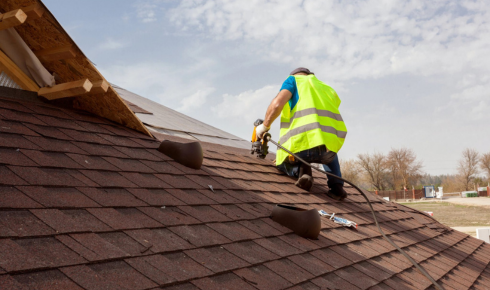
Most people don’t wake up thinking about their house. Not really. We think about coffee, deadlines, dinner plans, maybe whether the laundry got switched over. The home itself sort of fades into the background when everything is working the way it should.
And honestly, that’s the best-case scenario.
A good house quietly protects your life without demanding attention every five minutes. But the moment something leaks, sticks, cracks, or floods? Suddenly every overlooked detail becomes incredibly important.
I learned that the hard way a few years ago during a nasty spring storm. The rain wasn’t even dramatic at first — just steady, annoying weather that seemed harmless enough. Then came the wind. By morning, tree branches were down, half the neighborhood had debris scattered across lawns, and water had somehow found its way into places it absolutely shouldn’t have been.
That experience changed how I think about home maintenance. It’s not glamorous, but it matters more than most people realize.
Small Exterior Problems Rarely Stay Small
One thing homeowners often underestimate is how connected everything is on the outside of a house. A loose shingle affects drainage. Bad drainage affects siding. Moisture affects framing. Before long, one ignored issue turns into three expensive ones.
The tricky part is that exterior damage usually builds slowly. You don’t always notice it immediately.
Take gutters, for example. Most people barely glance at them unless leaves start spilling over the edges. But when drainage systems stop working properly, water begins collecting where it shouldn’t. Around foundations. Near fascia boards. Along basement walls.
And water is patient. It doesn’t need a dramatic opening.
I’ve seen homes where years of overflow quietly stained siding, weakened wood, and caused landscaping erosion little by little. Nothing catastrophic overnight — just constant wear wearing things down. That’s usually how houses age when maintenance gets delayed. Quietly.
Oddly enough, regular cleaning and inspections can prevent some pretty expensive repairs later on. Not exciting advice, I know. But practical usually beats exciting when it comes to protecting a home.
The Details That Shape Everyday Comfort
There’s also something deeply personal about the parts of a home we physically interact with every day.
You notice it when a front entrance feels solid and welcoming. Or when an older entryway sticks every winter and rattles during storms. Tiny details affect comfort more than we admit.
Good doors do a surprising amount of work. They improve insulation, reduce outside noise, increase security, and shape the first impression people get before they even step inside. And yet many homeowners treat them as purely decorative.
But a poorly sealed door can quietly increase energy costs month after month. Drafts creep in. Humidity changes indoor comfort. Even sound travels differently.
I visited an older farmhouse once where the owner had restored the original wooden front door instead of replacing it with something ultra-modern. It wasn’t flawless. A few scratches remained. The paint had texture in certain places. But somehow it gave the entire home warmth and personality that a brand-new replacement probably wouldn’t have matched.
That stuck with me. Sometimes homes don’t need perfection — they need character mixed with care.
Storms Have a Way of Revealing Weak Spots
Severe weather is becoming harder to predict these days. Even areas that rarely dealt with major storms years ago are suddenly seeing stronger winds, flash flooding, or unexpected hail damage.
And storms don’t just damage roofs. They test everything.
Siding gets torn loose. Water sneaks under flashing. Trees hit fencing. Windows crack. Insulation gets soaked. Sometimes homeowners don’t even realize the full extent of damage until weeks later when stains or mold begin appearing indoors.
That’s why storm damage restoration has become such an important service in many communities. Fast response matters because water damage moves quickly once it starts spreading behind walls or ceilings.
The emotional side of storm recovery doesn’t get discussed enough either. After a major weather event, homeowners often feel overwhelmed staring at the mess. Insurance calls. Cleanup crews. Temporary repairs. It can feel exhausting all at once.
But restoration isn’t only about fixing structures. It’s about helping people feel settled again.
There’s something deeply comforting about hearing repair work happening after chaos. The sound of crews replacing damaged sections, clearing debris, restoring order — it reminds people that things can return to normal even after a rough hit.
Homes Work Best When They’re Cared For Consistently
One of the biggest misconceptions about homeownership is that maintenance always requires massive renovations or huge budgets. Usually, it’s the smaller consistent habits that make the biggest difference over time.
Checking seals before winter. Cleaning drainage systems seasonally. Replacing damaged trim early. Paying attention to unusual drafts or moisture spots before they become larger problems.
Homes communicate constantly. Most issues give warnings long before they become emergencies.
And honestly, there’s something satisfying about caring for a home properly. Not because it increases property value — though it often does — but because it protects the everyday life happening inside those walls.
That’s really what people are maintaining in the end. Not just wood, shingles, or concrete.
They’re protecting family dinners during thunderstorms. Quiet mornings by the window. Weekend routines. Sleep. Comfort. Familiarity.
A well-cared-for house doesn’t need to look perfect. It just needs to feel dependable when life gets messy outside.
Related Home Guides
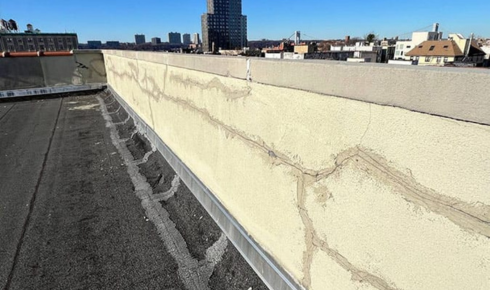
How can checking for cracks along the junction of roof and parapet wall warn you about potential seepage?
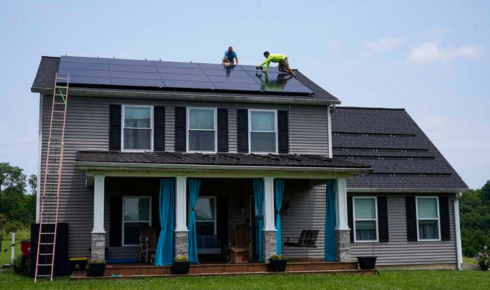
What benefit is there in knowing whether residents are allowed to store personal items on the roof?