As buildings become more energy-efficient and climate control systems grow increasingly sophisticated, managing the by-products of heating and cooling equipment has become an important aspect of modern building operations. One often-overlooked component that plays a critical role in this process is the condensate pump.
Whether in residential properties, commercial buildings, hotels, hospitals, or industrial facilities, condensate pumps help ensure the safe and efficient removal of water generated by air conditioning units, boilers, and other HVAC equipment. Without proper condensate management, buildings can face issues ranging from water damage and mold growth to reduced system efficiency and costly maintenance.
What Is Condensate?
Condensate is the water that forms when warm air comes into contact with a cold surface. In air conditioning systems, moisture is removed from indoor air as part of the cooling process, producing condensate that must be drained away safely.
Similarly, modern high-efficiency boilers generate condensate during combustion. This water must be collected and discharged properly to prevent damage to equipment and surrounding building structures.
While condensate production may seem insignificant on a daily basis, the volume generated over time can be substantial, particularly in large commercial facilities.
Why Condensate Removal Matters
Effective condensate management is essential for maintaining building safety and HVAC performance.
If condensate is not removed efficiently, it can lead to:
- Water leakage and property damage
- Mold and mildew growth
- Corrosion of building materials
- Reduced HVAC efficiency
- Equipment downtime and repair costs
In many installations, gravity drainage alone is sufficient. However, there are numerous situations where condensate cannot naturally flow to a drain due to location constraints or building design.
This is where condensate pumps become indispensable.
How Condensate Pumps Work
Condensate pumps are designed to collect water generated by HVAC systems and automatically pump it to a suitable discharge location.
These pumps typically operate using a reservoir and float switch mechanism. As condensate accumulates, the pump activates and transfers the water through a discharge pipe to a drain, sewer connection, or designated disposal point.
This simple yet effective process allows HVAC equipment to be installed in locations where gravity drainage may not be practical.
Supporting Flexible HVAC Installations
Modern construction increasingly prioritizes flexibility in equipment placement. Air conditioning units, boilers, and mechanical systems are often installed in basements, utility rooms, ceiling voids, or other locations where direct access to drainage systems may be limited.
Condensate pumps provide the flexibility needed to support these installations by enabling water removal regardless of elevation differences or distance from the nearest drain.
This allows architects, engineers, and contractors greater freedom in building design while maintaining reliable condensate management.
The Growing Importance of Condensate Management in Commercial Buildings
Commercial facilities typically contain multiple HVAC units operating continuously throughout the year. As a result, condensate management becomes even more critical.
Office complexes, shopping centers, hotels, healthcare facilities, and educational institutions often require integrated solutions that can handle large volumes of condensate while maintaining operational efficiency.
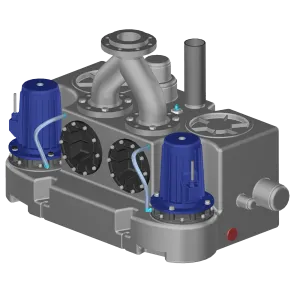
In many of these environments, wastewater management systems work alongside HVAC infrastructure to ensure overall building performance. High-capacity solutions such as the Sanicubic 2 VX KB are commonly associated with demanding commercial applications where reliable fluid transfer and wastewater handling are essential components of facility operations.
Improving Energy Efficiency and Equipment Lifespan
Proper condensate removal contributes directly to HVAC efficiency.
When condensate accumulates around equipment, it can interfere with normal operation, increase wear on components, and reduce overall system effectiveness. Efficient condensate management helps maintain optimal operating conditions, allowing equipment to perform as intended.
By preventing moisture-related damage, condensate pumps also help extend the lifespan of air conditioning and boiler systems, reducing long-term maintenance costs.
Integrating Condensate Management with Building Infrastructure
Modern building design increasingly emphasizes integrated infrastructure systems that work together efficiently.
Condensate pumps are often part of a broader water management strategy that includes drainage systems, wastewater pumps, and lifting stations. This coordinated approach helps ensure reliable water movement throughout the building.
For larger facilities with complex wastewater requirements, solutions such as the Sanicubic 2 GR demonstrate the importance of robust pumping infrastructure in supporting the overall functionality of modern buildings.
By combining effective condensate management with reliable wastewater handling, property owners can improve operational efficiency and reduce infrastructure-related risks.
The Role of SFA India in Modern Water Management Solutions
As building systems continue to evolve, SFA India provides a range of solutions designed to support efficient water and wastewater management across residential, commercial, and industrial environments.
From condensate pumps and wastewater pumps to lifting stations and specialized drainage technologies, these solutions help address the challenges associated with modern building infrastructure. By enabling reliable fluid transport and flexible installation options, advanced pumping technologies support the growing demands of contemporary construction.
Looking Ahead
As air conditioning systems, boilers, and HVAC technologies become increasingly important in modern buildings, the need for effective condensate management will continue to grow.
Condensate pumps may be small components compared to other building systems, but their role is essential in preventing water damage, protecting equipment, and maintaining efficient building operations.
By integrating condensate management into broader water and wastewater strategies, building owners can improve reliability, enhance efficiency, and support the long-term performance of their facilities. As construction continues to evolve, condensate pumps will remain a key part of the infrastructure that keeps modern buildings running smoothly.