There’s something comforting about turning on the kitchen tap and trusting the water that comes out. Most of us don’t stop to think about it. We fill coffee pots, rinse vegetables, wash clothes, take showers, and pour a glass before bed without giving water much attention. It quietly supports nearly every part of our daily routine.
But every now and then, little clues start showing up. Maybe the water has a strange taste after heavy rain. The shower doors collect stubborn white spots. Your skin feels dry no matter what moisturizer you use, or the ice cubes seem to carry a faint odor that wasn’t there before. These small frustrations are easy to ignore, yet they often point toward something worth exploring.
Improving your home’s water isn’t about chasing perfection. It’s about creating a healthier, more comfortable environment where everything—from cooking dinner to washing your favorite shirt—simply feels a little better.
Every Home Has Its Own Water Story
One thing many homeowners don’t realize is that water quality isn’t universal. Two houses only a few streets apart can experience completely different issues.
Some neighborhoods deal with hard water packed with dissolved minerals. Others notice chlorine taste because of municipal treatment methods. Homes supplied by private wells might encounter iron, sulfur, sediment, or naturally occurring minerals that vary throughout the year.
That’s why copying someone else’s filtration setup doesn’t always work. A system that performs beautifully in one home might solve only half the problem somewhere else.
Understanding your own water source makes every decision afterward much more effective.
Looking Beyond What You Can See
Clean-looking water isn’t necessarily clean water.
Many of the substances that affect water quality are completely invisible. Minerals, chlorine, dissolved solids, and certain contaminants don’t always change the appearance of water. Instead, they reveal themselves through taste, odor, appliance performance, or gradual buildup around faucets and fixtures.
Those chalky white deposits around showerheads? They’re telling a story.
So are cloudy drinking glasses, reduced soap lather, and coffee makers that seem to wear out faster than expected.
The signs often appear quietly, which is probably why so many homeowners live with them for years before realizing there’s a practical solution.
Creating Better Water Throughout the House
When people think about water filtration, they usually imagine a small filter attached to the kitchen sink. While that certainly improves drinking water, it doesn’t help with showers, laundry, bathroom sinks, or household appliances.
That’s where whole home water filtration becomes a meaningful upgrade.
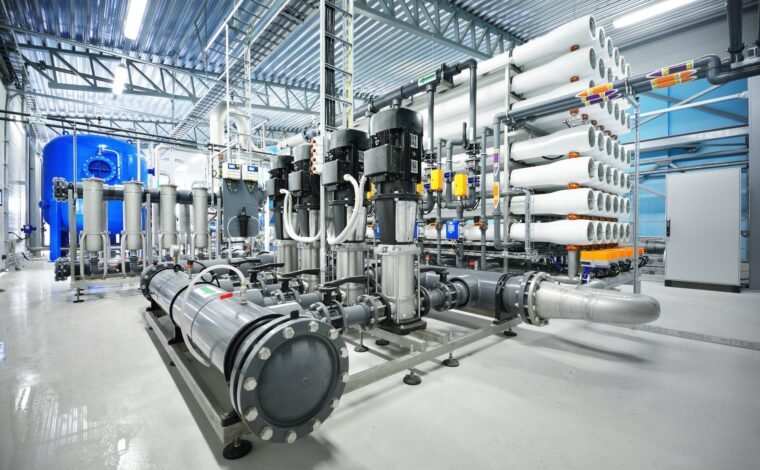
Instead of treating water at just one faucet, these systems improve the water entering the entire home. Every shower, washing machine, dishwasher, and sink benefits from cleaner water before it reaches your plumbing fixtures.
For many families, that means less sediment, fewer unpleasant odors, reduced chlorine exposure, and cleaner surfaces throughout the house. It’s one improvement that quietly touches almost every daily routine without demanding constant attention.
Better Drinking Water Starts at the Kitchen Sink
While treating the entire home is important, drinking water deserves special attention too.
Think about how often your family uses water for cooking, making tea, brewing coffee, preparing baby formula, or filling reusable bottles before heading to work or school.
These everyday moments deserve water that tastes fresh and clean.
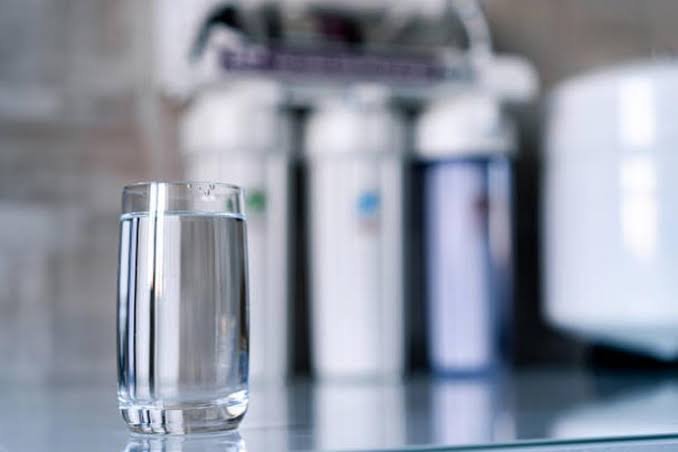
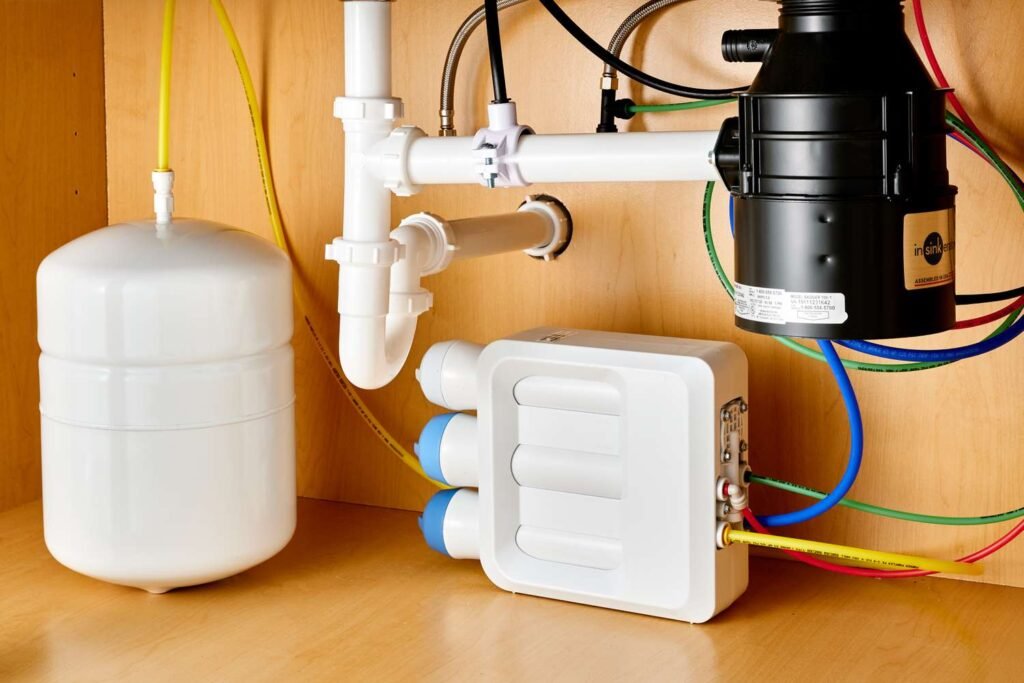
That’s why many homeowners choose reverse osmosis systems for their kitchens. These advanced filtration units remove many dissolved impurities that ordinary filters can’t always capture, producing crisp, refreshing water that’s enjoyable to drink without relying on bottled alternatives.
The difference often becomes obvious with the very first glass. Coffee tastes richer. Ice cubes become clearer. Even simple meals prepared with filtered water can taste slightly brighter.
It’s one of those improvements people rarely regret making.
Convenience Is Part of Better Water
Good water treatment shouldn’t make life more complicated.
The best systems work quietly behind the scenes, requiring only occasional maintenance while consistently delivering dependable results. Modern filtration technology has become far more efficient than many people realize.
Instead of constantly buying bottled water, replacing inexpensive pitcher filters every few weeks, or worrying about inconsistent water quality, homeowners gain a solution that’s always available whenever they turn on the tap.
That convenience adds up over months and years.
It also reduces plastic waste, which feels like a welcome bonus for families trying to make more sustainable choices.
Choosing the Right Equipment Matters
Not every home needs the same combination of filtration equipment.
Some households mainly struggle with hard water. Others want better-tasting drinking water. Some need solutions for sediment, while others focus on chlorine reduction or well water concerns.
That’s why choosing drinking water systems should always begin with understanding the specific characteristics of your home’s water supply rather than buying equipment based on advertisements or online reviews alone.
A personalized approach ensures every dollar invested actually addresses the problems you’re experiencing instead of paying for features you may never need.
Professional testing often reveals details homeowners would never notice on their own.
Protecting More Than Just Your Plumbing
Cleaner water offers benefits that extend well beyond pipes and appliances.
Skin often feels softer after showers. Hair becomes easier to manage. Towels remain fluffier after washing. Glassware dries with fewer spots, and kitchen fixtures require less scrubbing because mineral buildup develops much more slowly.
Even household appliances appreciate cleaner water.
Water heaters operate more efficiently, dishwashers perform better, and washing machines experience less internal scaling over time. Those improvements may seem small individually, but together they help extend equipment lifespan while reducing maintenance costs.
Little by little, cleaner water creates a home that’s simply easier to care for.
A Better Home Starts With Better Water
Home improvements usually bring visible results—a freshly painted room, new flooring, or updated countertops. Water quality is different.
You won’t necessarily notice it every minute of the day.
Instead, you’ll notice the absence of small frustrations. Better-tasting coffee. Softer laundry. Cleaner dishes. Fewer stains on fixtures. Showers that leave your skin feeling more comfortable. Appliances that continue working efficiently year after year.
Those quiet improvements become part of everyday life until they’re impossible to imagine living without.
In the end, investing in better water isn’t really about filters, plumbing, or equipment. It’s about making thousands of ordinary moments throughout the year just a little healthier, easier, and more enjoyable.
Sometimes the biggest changes inside a home aren’t the ones you immediately see—they’re the ones you experience every single day.