Walk into any well-run business, and there’s a good chance you won’t notice the little things. The doors open smoothly, light fixtures work without a flicker, walls look clean, shelves feel secure, and everything simply functions the way customers expect. That’s the point. Good maintenance is almost invisible—until it’s missing.
Many business owners focus heavily on sales, staffing, inventory, and customer service, which makes perfect sense. Yet the physical condition of a commercial property quietly influences all of those areas. A loose handrail, a damaged door, or a leaking ceiling tile might seem like minor inconveniences, but together they shape how customers, employees, and even vendors view a business.
Staying ahead of repairs isn’t just about appearances. It’s about protecting the investment you’ve worked hard to build.
Small Maintenance Issues Rarely Stay Small
One loose cabinet hinge today can become a broken cabinet tomorrow. A tiny crack around a window may eventually allow moisture inside the building. Even a slightly uneven floor tile can become a safety concern if ignored long enough.
Commercial buildings experience constant use. Employees arrive every morning, customers come and go throughout the day, deliveries move through loading areas, and equipment operates almost continuously. That level of activity naturally creates wear over time.
The difference between expensive repairs and affordable maintenance often comes down to timing. Catching problems early usually prevents much larger disruptions later.
Why Professional Help Makes a Difference
Business owners are often skilled problem-solvers, but fixing commercial properties requires time, tools, and experience that many simply don’t have available.
Hiring professionals for commercial handyman services allows business owners to focus on running daily operations instead of spending valuable hours troubleshooting maintenance issues.
A qualified handyman can handle a wide range of repairs during a single visit, including drywall patching, fixture replacement, shelving installation, painting touch-ups, minor plumbing fixes, hardware adjustments, and routine maintenance tasks. Instead of coordinating several contractors, businesses often benefit from having one dependable resource capable of addressing multiple concerns efficiently.
That convenience alone can save both time and money.
First Impressions Matter More Than We Think
Customers form opinions surprisingly fast.
Before they experience your products or services, they’ve already noticed your parking lot, entrance, lighting, signage, and interior condition. Even if they don’t consciously recognize every detail, they absorb the overall impression.
Peeling paint, damaged flooring, broken fixtures, or worn-out hardware may unintentionally communicate that maintenance isn’t a priority.
On the other hand, a clean, well-maintained environment quietly builds confidence. It tells visitors that the business pays attention to details—and people naturally assume that same level of care extends to its products and services.
It’s amazing how much trust can be built through simple upkeep.
Experience Matters During Commercial Projects
Commercial buildings often involve unique requirements that differ from residential properties.
Retail stores, office buildings, medical facilities, restaurants, warehouses, and educational institutions each have different building codes, accessibility standards, scheduling limitations, and operational needs.
Professionals with commercial installation experience understand these challenges. They know how to complete projects while minimizing disruptions, coordinating around business hours whenever possible, and maintaining safe working environments for employees and customers alike.
That practical knowledge often leads to smoother projects and fewer unexpected delays.
One Door Can Affect the Entire Workplace
It sounds almost too simple, but doors play a surprisingly important role in daily business operations.
Employees may walk through the same entrance dozens of times each day. Customers expect automatic doors to function smoothly. Emergency exits must remain reliable, and interior doors contribute to privacy, security, and accessibility.
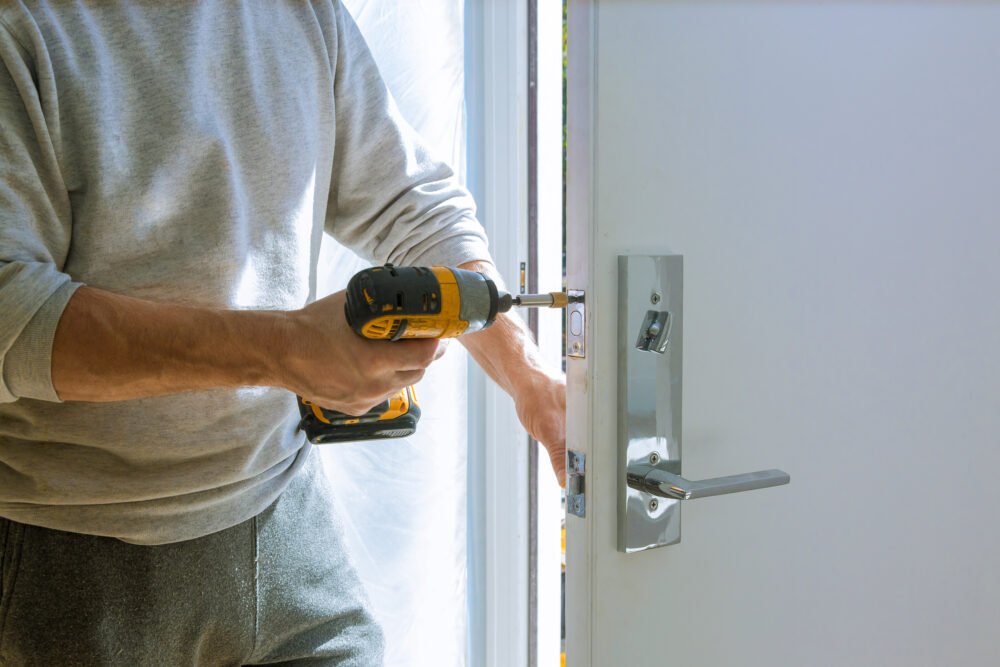
That’s why timely door repair deserves more attention than it sometimes receives.
A sticking door, damaged closer, broken hinge, or worn locking mechanism may appear to be a small inconvenience, yet these issues can affect safety, energy efficiency, customer satisfaction, and even regulatory compliance.
Repairing these problems early helps avoid larger complications later.
Preventive Maintenance Saves More Than Money
Emergency repairs almost always arrive at inconvenient times.
A leaking ceiling during business hours, broken shelving before an inventory delivery, or failed lighting before an important client meeting creates unnecessary stress. Emergency service calls also tend to cost more than scheduled maintenance visits.
Preventive maintenance shifts the focus from reacting to planning.
Routine inspections allow professionals to identify loose hardware, worn materials, aging fixtures, or developing structural issues before they interrupt daily operations. That proactive approach helps businesses avoid downtime while extending the lifespan of building components.
In many cases, preventing problems costs far less than responding after something fails.
Employee Satisfaction Starts With the Workplace
Customers aren’t the only people who notice building conditions.
Employees spend dozens of hours inside the workplace every week. Comfortable lighting, functioning equipment, secure fixtures, and clean surroundings contribute to a more pleasant working environment.
When maintenance issues pile up, frustration often follows. Something as simple as a faulty cabinet, damaged workstation, or unreliable restroom fixture can affect morale more than many managers realize.
Investing in building maintenance quietly supports productivity by allowing employees to focus on their work instead of daily inconveniences.
Sometimes the smallest improvements make the biggest difference.
Choosing the Right Handyman Partner
Finding dependable maintenance support isn’t just about comparing hourly rates.
Look for professionals with experience handling commercial properties, positive customer reviews, clear communication, and transparent pricing. A reliable handyman should arrive prepared, explain recommended repairs clearly, and complete work with minimal disruption to business operations.
Consistency matters just as much as technical ability. Businesses benefit from building long-term relationships with service providers who become familiar with the property’s systems and maintenance history.
That familiarity often leads to faster service and better long-term results.
A Well-Maintained Business Reflects Strong Leadership
Every successful business depends on countless details working together behind the scenes. Inventory must arrive on time. Employees need reliable workspaces. Customers expect safe, welcoming environments. Equipment should function properly, and buildings deserve the same level of attention as every other business asset.
Regular maintenance isn’t glamorous, and it rarely earns headlines. Still, it quietly protects your investment, strengthens customer confidence, improves workplace safety, and helps avoid unexpected expenses.
When building issues receive prompt attention instead of being postponed, everything tends to operate a little more smoothly. And over time, those consistent decisions create a workplace that reflects professionalism, reliability, and pride—qualities every successful business wants people to remember.