Water quietly shapes almost every part of our daily routine. We brew coffee with it before sunrise, wash vegetables for dinner, fill the washing machine without a second thought, and trust that what’s flowing from the tap is good enough. Most days, it probably is. But “good enough” doesn’t always mean ideal.
Many people only begin paying attention to water quality after noticing hard water stains on faucets, unusual tastes, cloudy glassware, or appliances wearing out faster than expected. Others become curious after hearing about contaminants in nearby communities. Whatever sparks that interest, it’s usually the beginning of a worthwhile journey.
Improving water quality isn’t about chasing perfection. It’s about creating a healthier, more comfortable home while protecting the plumbing and equipment that quietly keep everything running. And in many cases, even small improvements make an unexpectedly big difference.
Water Quality Is Different in Every Home
One of the biggest misconceptions about water is that every household receives the same quality. In reality, water varies from neighborhood to neighborhood and sometimes even from one street to the next.
Municipal treatment plants work hard to deliver safe water, but minerals, chlorine, sediment, aging infrastructure, and local geology all influence what eventually reaches your faucet. Private wells introduce another layer of variability, often depending on seasonal groundwater changes.
That means the ideal water solution for your neighbor may not be the right fit for your family. Understanding your home’s unique water characteristics is far more valuable than simply purchasing the latest filtration system you see advertised.
The Everyday Signs That Often Go Unnoticed
Poor water quality doesn’t always produce dramatic warning signs. Instead, it quietly leaves little clues throughout the house.
Maybe soap never seems to rinse completely. White mineral deposits appear around showerheads. Towels lose their softness after washing. Ice cubes look cloudy, or tea develops an odd aftertaste.
These aren’t always major problems, but they often point toward minerals or other naturally occurring substances affecting your water.
Sometimes homeowners simply grow accustomed to these issues over the years. It isn’t until they experience treated water somewhere else that they realize how much better daily life can feel.
Whole-Home Protection Makes Daily Living Easier
Many people begin with a simple drinking water filter, and that’s certainly helpful. But because water is used throughout the house—not just in the kitchen—a broader approach often provides greater long-term value.
A premier whole home filtration solution treats water before it reaches showers, sinks, washing machines, water heaters, and other plumbing fixtures. Instead of improving only one faucet, it supports cleaner water throughout the entire home.
The benefits extend beyond taste. Reduced sediment may help protect plumbing components, cleaner water can improve laundry results, and showers often become more comfortable depending on the specific water conditions being addressed.
Rather than fixing isolated symptoms, whole-home treatment creates consistency across the entire household.
Great Drinking Water Starts at the Tap
For many families, the kitchen is where water quality becomes most noticeable.
Coffee, tea, soups, baby formula, cooking pasta, rinsing fruits and vegetables—everything depends on clean, fresh-tasting water. Even small improvements in flavor can make meals noticeably more enjoyable.
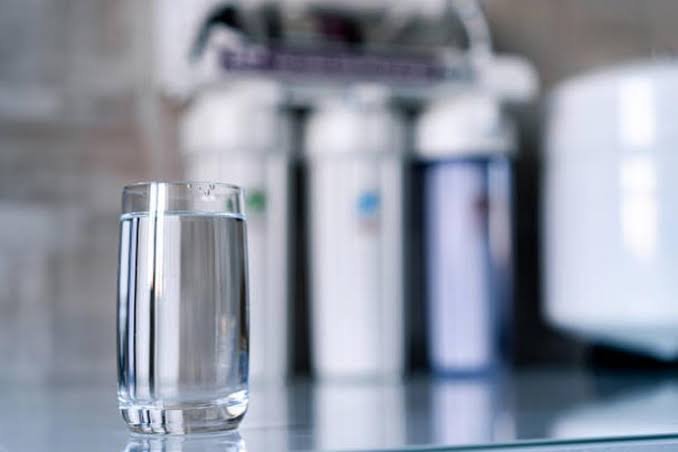
That’s why many homeowners choose reverse osmosis and drinking water systems for dedicated drinking water. These systems are designed to reduce a wide range of dissolved contaminants while improving taste and clarity.
The result is water that many people genuinely enjoy drinking, encouraging healthier hydration without relying heavily on bottled water. Over time, that convenience alone often becomes one of the favorite upgrades in the home.
Water Quality Impacts More Than Comfort
When people think about filtration, they usually imagine cleaner drinking water. But the effects reach much further.
Hard water minerals can gradually build up inside pipes, reducing efficiency over time. Water heaters may consume more energy when scale forms on heating elements. Dishwashers, washing machines, and coffee makers can require repairs sooner than expected if mineral deposits accumulate year after year.
Even bathroom cleaning becomes easier when stubborn mineral residue is reduced.
These practical benefits often provide financial value alongside improved comfort, making quality water treatment an investment rather than simply another household expense.
Businesses Depend on Reliable Water Too
Residential systems receive most of the attention, but businesses often have even greater demands.
Restaurants rely on consistent water quality for food preparation and beverages. Healthcare facilities need dependable treatment processes. Manufacturing operations may require precise water conditions for production equipment. Hotels want guests to enjoy pleasant showers and clean linens every day.
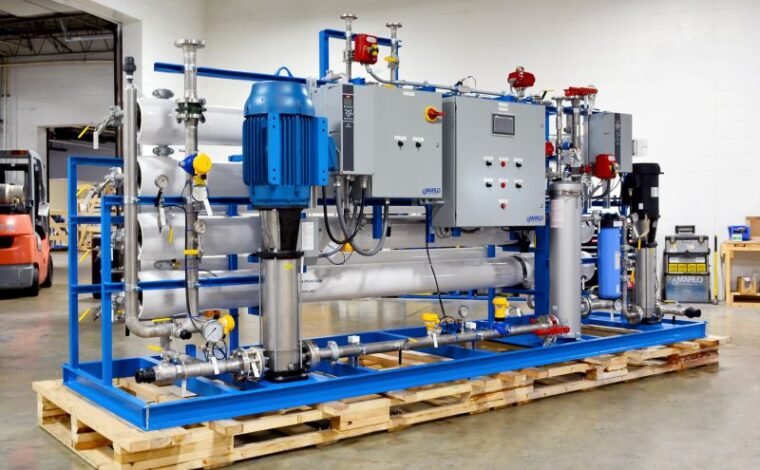
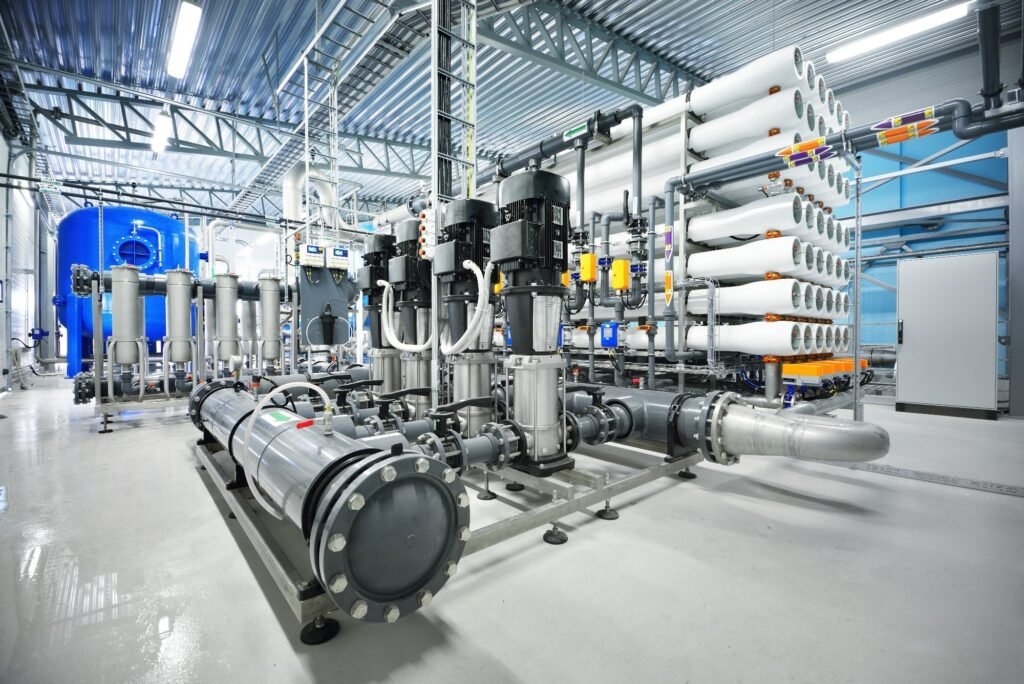
Reliable commercial water treatment helps businesses improve operational efficiency while protecting expensive equipment from scale, sediment, and other water-related challenges.
The right system varies by industry, but the goal remains remarkably consistent: dependable performance, lower maintenance, and better overall results.
Choosing Solutions Based on Real Testing
It’s tempting to search online, compare reviews, and purchase equipment immediately. But water treatment works best when decisions begin with actual testing.
A professional analysis identifies the minerals, contaminants, pH levels, sediment, chlorine, hardness, or other characteristics affecting your specific water supply.
Without that information, homeowners sometimes buy equipment that solves only part of the problem—or addresses an issue they never actually had.
Testing removes the guesswork and helps ensure that every recommendation fits the home’s real needs instead of generic assumptions.
Maintenance Is Part of Long-Term Success
Even the highest-quality filtration equipment performs best with routine care.
Filters eventually need replacement. Certain treatment media reaches capacity. UV systems require lamp changes, and softening equipment benefits from periodic inspections.
Thankfully, maintenance schedules are generally straightforward, and staying on top of them helps systems continue operating efficiently for years.
Think of it like changing the oil in a car. Regular attention prevents larger problems while protecting the investment you’ve already made.
Better Water Creates a Better Home
It’s interesting how quickly people stop thinking about water once it improves.
The unpleasant taste disappears. Showers become more enjoyable. Appliances quietly operate more efficiently. Glassware comes out cleaner, coffee tastes richer, and laundry feels softer without anyone making a conscious effort.
Those everyday improvements don’t demand attention—they simply become part of normal life.
That’s really what quality water treatment is all about. It’s not chasing luxury or unnecessary upgrades. It’s making one of life’s most basic essentials work a little better every single day.
Whether you’re improving drinking water, protecting plumbing, or creating healthier conditions for an entire household or business, investing in the right water solution pays dividends far beyond the faucet. Cleaner water supports better comfort, greater confidence, and a home or workplace that’s easier to enjoy for years to come.