Water is easy to take for granted. It’s there when you brush your teeth, brew your morning coffee, rinse fresh vegetables, or fill a bottle before heading out the door. Because it’s always available, most of us don’t think much about it until something changes. Maybe the water tastes different, leaves mineral spots on your glassware, or carries an odor that wasn’t there before.
Those small moments often lead homeowners down the same path: trying to figure out how to improve the water flowing through their homes. The good news is that modern water treatment offers more options than ever before. The challenge isn’t finding a solution—it’s understanding which solution actually fits your household.
Every home is different, and the best water system is usually the one designed around your specific needs rather than the latest trend.
Every Water Source Has Its Own Personality
It’s surprising how much water can vary from one location to another.
Two homes only a few streets apart may experience different mineral levels, chlorine concentrations, or sediment simply because their plumbing systems or supply routes differ. Homes using private wells often deal with entirely different concerns compared to properties connected to municipal water.
That’s why recommendations that work perfectly for one family may not make sense for another.
Before investing in any equipment, it’s worth understanding the characteristics of your own water. A professional water analysis can reveal issues that aren’t visible to the eye but still influence taste, odor, or appliance performance.
Knowing what you’re dealing with makes every decision afterward much easier.
Why Water Quality Matters Beyond Drinking
Most people naturally think about drinking water first, but water quality reaches much further into everyday life.
It affects coffee, tea, soups, sauces, pasta, and nearly every recipe prepared in the kitchen. It influences how soap lathers, how laundry feels after washing, and even how quickly mineral deposits collect on faucets and showerheads.
These daily experiences often change gradually, which makes them easy to overlook.
Improving water quality doesn’t always create dramatic transformations overnight. More often, it quietly enhances dozens of small routines that become part of everyday comfort.
Looking at the Entire Home
Many filtration systems focus exclusively on the kitchen sink, and for some families that’s exactly what they need.
Others, however, want cleaner water throughout the house.
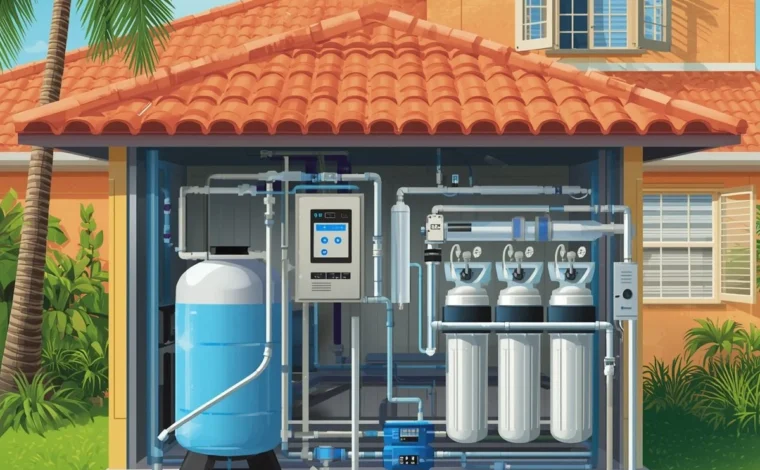
That’s where whole house systems become especially valuable. Instead of treating water only where it’s consumed, these systems filter or condition the water entering the entire home. Every faucet, shower, washing machine, and appliance benefits from the treatment process.
For households dealing with hard water or sediment, this whole-home approach often improves convenience while helping reduce mineral buildup inside plumbing fixtures and water-using appliances.
It’s a broader solution designed for homeowners who want consistency throughout the house rather than only at one tap.
Cleaner Drinking Water at the Kitchen Faucet
Even when whole-home filtration is installed, many families still prefer additional treatment specifically for drinking and cooking water.
That’s why reverse osmosis systems remain one of the most popular options for kitchen use.
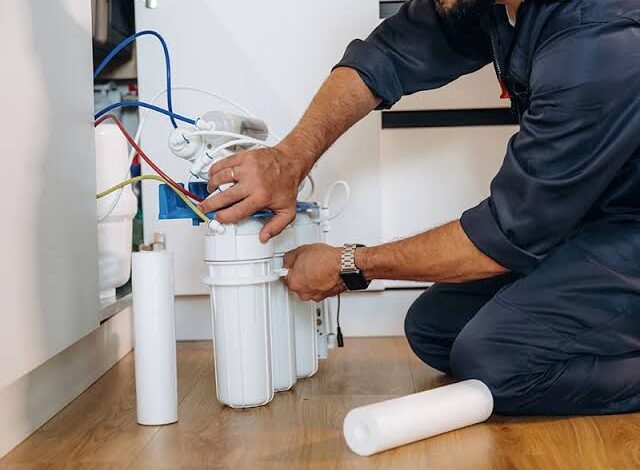
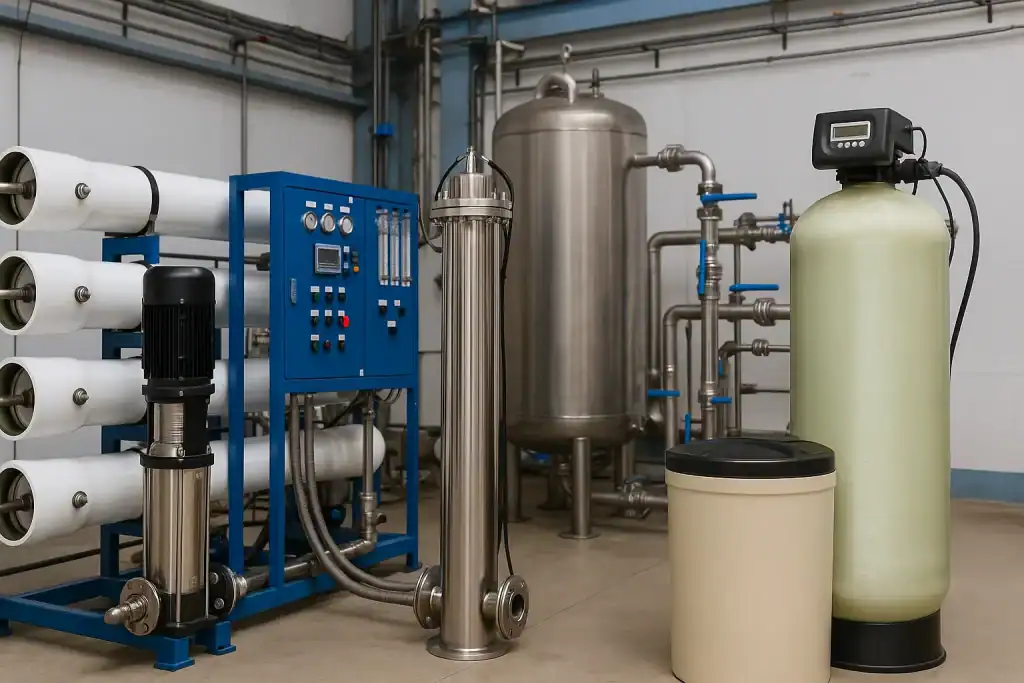
These systems push water through an extremely fine membrane designed to reduce many dissolved substances while improving taste and clarity. Combined with sediment and carbon filtration, they often produce water that many homeowners describe as noticeably fresher.
The difference becomes especially obvious when making coffee, brewing tea, preparing soups, or filling reusable bottles.
Rather than constantly purchasing bottled water, families enjoy reliable filtered water directly from a dedicated faucet whenever they need it.
Adding an Extra Layer of Protection
Depending on local water conditions and household needs, some homeowners choose to include additional treatment technologies.
One example is uv ultraviolet systems, which use ultraviolet light to help address certain microorganisms in water without adding chemicals. These systems are commonly used alongside other filtration methods rather than replacing them.
UV treatment doesn’t improve taste or remove minerals, but it complements other filtration technologies by providing an additional level of treatment where appropriate.
For private wells or specific water conditions, this layered approach often provides greater peace of mind.
The important point is that different technologies solve different problems. Understanding that distinction helps homeowners choose equipment more effectively.
Why Water Testing Should Come First
Shopping for filtration equipment before testing your water is a little like buying prescription glasses without having an eye exam.
You might get lucky.
Or you might spend money solving the wrong problem.
Professional water testing identifies characteristics like hardness, chlorine levels, sediment, pH balance, and other important factors that influence treatment recommendations.
Instead of relying on marketing claims, homeowners receive information based on their own water.
That knowledge usually leads to smarter purchases and fewer regrets later.
Maintenance Keeps Everything Performing Well
Even the highest-quality water system needs occasional maintenance.
Filters eventually reach their capacity.
Membranes require replacement after years of use.
UV lamps need periodic servicing according to manufacturer recommendations.
Fortunately, modern systems are designed with maintenance in mind, and most homeowners find routine service relatively straightforward.
Keeping up with maintenance ensures the system continues performing the way it was designed while extending its overall lifespan.
It’s a small commitment that protects a much larger investment.
Better Water Improves Everyday Living
Some home improvements are impossible to miss.
Fresh flooring catches your attention immediately.
A remodeled kitchen changes the appearance of the entire room.
Water improvements are different.
They quietly improve the little things.
Coffee tastes richer.
Ice cubes become clearer.
Cooking feels more enjoyable.
You stop thinking about buying bottled water every week.
Those aren’t dramatic lifestyle changes, but they happen repeatedly throughout the year, making them surprisingly meaningful over time.
The Best Water Solution Is the One That Fits Your Home
There isn’t one perfect water treatment system for every household.
Some homes benefit from basic carbon filtration. Others need water softening, reverse osmosis, UV treatment, or a combination of several technologies.
The goal isn’t to own the most advanced equipment available.
The goal is to solve the specific challenges affecting your home.
When you begin with accurate water testing, understand your household’s daily needs, and invest in systems designed for those conditions, cleaner water becomes something you simply enjoy rather than constantly think about.
At the end of the day, water supports almost every part of daily life—from your first cup of coffee in the morning to washing dishes after dinner. Improving that experience isn’t about chasing perfection. It’s about making thoughtful decisions that bring comfort, confidence, and consistency into your home for years to come.