There’s something quietly comforting about turning on your tap and not thinking twice.
You fill a glass, take a sip, and move on with your day. It’s routine. Automatic. Almost invisible.
But every now and then, something changes. Maybe the taste feels slightly off. Maybe your kettle builds up residue faster than usual. Or your skin feels a bit drier after a shower.
It’s subtle, but it’s enough to make you pause.
And that pause is often where better water begins.
When Small Changes Start to Matter
Water quality issues don’t always announce themselves loudly.
They show up in small ways. Dishes that don’t sparkle like they used to. Soap that doesn’t lather properly. A faint smell that wasn’t there before.
These aren’t urgent problems, but they’re signals.
And for many homeowners, that’s when residential water treatment becomes something worth exploring—not as a reaction to a crisis, but as a way to improve everyday life.
Because once you notice the difference, it’s hard to ignore.
Understanding What’s in Your Water
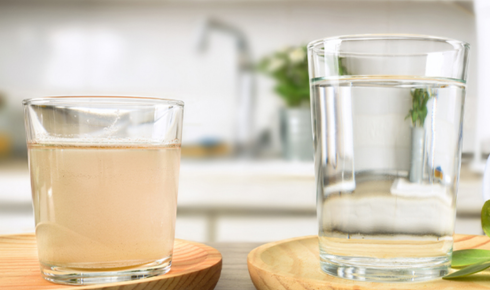
Here’s the tricky part: water can look perfectly clear and still carry things you’d rather not have.
Minerals, chlorine, trace contaminants—most of them are invisible. And while they’re often within acceptable limits, they can still affect taste, smell, and long-term use.
This is where systems designed to refine water quality come into play.
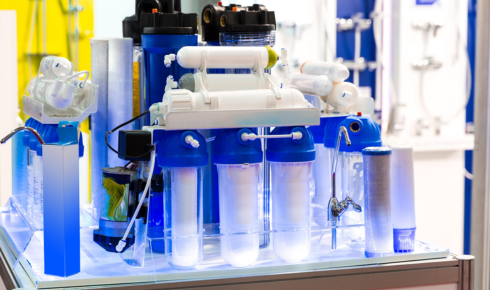
One popular option is reverse osmosis systems.
They work quietly, filtering water at a deeper level than standard setups. Removing impurities you might not even realise are there.
And the result? Water that tastes cleaner, feels lighter, and gives you a bit more confidence with every sip.
Starting With What You Know
Before making any decisions, it helps to understand your starting point.
What exactly is in your water? What’s causing the changes you’ve noticed?
That’s where a free residential water test can be incredibly useful.
It’s a simple step, but it gives you clarity. Instead of guessing, you get real information about your water’s composition—minerals, pH levels, potential contaminants.
And once you have that information, everything else becomes easier. You’re not choosing a solution blindly—you’re choosing one that fits your specific situation.
The Balance Between Comfort and Practicality
Improving water quality isn’t just about health—it’s about comfort too.
Better water changes how everyday tasks feel. Showers are smoother. Clothes feel softer. Even cooking can feel different.
But at the same time, it’s important to keep things practical.
Not every home needs an elaborate system. Sometimes, small adjustments are enough to make a noticeable difference.
The key is finding that balance—between improving quality and keeping things simple.
The Signs You Shouldn’t Ignore
Your water system has its own way of communicating.
It might not speak loudly, but it gives hints.
A buildup of scale on fixtures. A lingering taste you can’t quite describe. Appliances that seem to wear out faster than expected.
These signs don’t mean something is seriously wrong. But they do suggest that your water could be improved.
And addressing those signs early often leads to better results.
Why Maintenance Matters More Than You Think
Once you’ve improved your water, the journey doesn’t stop there.
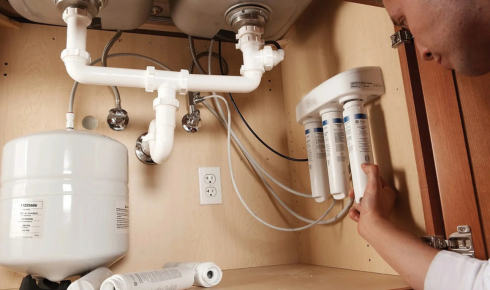
Filters need replacing. Systems need occasional checks. Small adjustments keep everything running smoothly.
It’s not a demanding process, but it’s an important one.
Because without maintenance, even the best systems can lose their effectiveness over time.
Making It Part of Everyday Living
What’s interesting about better water is how quickly it becomes normal.
At first, you notice the difference. The taste, the feel, the way everything seems just a little better.
But after a while, it fades into the background again.
Not because it’s less important—but because it’s working the way it should.
And that’s the goal.
Final Thoughts: Quiet Improvements That Last
At the end of the day, water quality isn’t about chasing perfection.
It’s about making thoughtful changes that improve your daily routine.
Whether it’s understanding what’s in your water, choosing the right system, or simply paying attention to small signs, each step brings you closer to something better.
And once everything is in place, you go back to not thinking about it.
Which, in a way, is the best outcome of all.