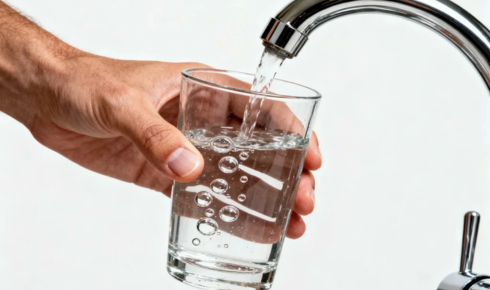

Water is one of those things we only really notice when something feels off. You turn on the kitchen tap, fill a glass, and instead of clear, crisp water, it looks hazy. Maybe it clears after a few seconds. Maybe it stays dull. Either way, it makes you pause.
For homeowners using wells, this is fairly common. Well water can change with the seasons, after heavy rain, during dry spells, or simply as the minerals underground shift over time. Sometimes the issue is harmless. Other times, it is a sign that your water needs testing or treatment.
The frustrating part is that cloudy water can have more than one cause. It might be air bubbles. It might be sediment. It could be hardness minerals, iron, bacteria, or something happening inside the plumbing. So while it is tempting to guess, the better answer is usually to slow down, look at the symptoms, and test the water properly.
Why Well Water Can Change Over Time
A private well is not like a municipal water system, where water is treated before it reaches the home. A well pulls water directly from underground. That water travels through rock, soil, sand, and mineral layers, picking up natural elements along the way.
This is why two homes on the same road can have different water problems. One house may deal with staining. Another may have a sulfur smell. Another may have cloudy water that appears mostly after storms. The source may be close, but the water chemistry can still vary quite a bit.
Seasonal changes matter too. Heavy rain can stir up sediment or affect groundwater movement. Drought can concentrate minerals. Older wells may also develop problems as casings, seals, or pumps age. So if your water used to be clear and now looks different, it is worth paying attention.
The Simple Air Bubble Test
Not all cloudy water is serious. Sometimes, the haze is just tiny air bubbles trapped in the water. This can happen when water is under pressure or after plumbing repairs.
A simple way to check is to fill a clear glass and let it sit for a minute. If the cloudiness clears from the bottom upward, air bubbles are likely the cause. In that case, the water may not need treatment, though ongoing pressure issues should still be looked at if they keep happening.
If the water stays cloudy, leaves particles at the bottom, or has a smell, taste, or color, then it may be something else. That is when testing becomes more important.
Minerals, Hardness, and Everyday Frustration
A very common reason well water looks dull or leaves marks is hardness. Hard water contains calcium and magnesium, which are naturally picked up as groundwater moves through limestone or other mineral-rich formations.
Over time, these minerals can create mineral buildup on faucets, showerheads, glass doors, dishwashers, water heaters, and inside pipes. You might notice white crust around fixtures, spots on dishes, soap that does not lather well, or laundry that feels stiff. None of that feels dramatic at first, but after months or years, it becomes a real nuisance.
Hardness can also shorten the life of appliances. Water heaters work less efficiently when scale forms inside. Dishwashers may leave film on glasses. Coffee makers clog faster. Even your plumbing can lose flow if scale builds up enough.
A water softener is often used to treat hardness, but it is still best to test first. Hardness levels vary, and sometimes other issues are present at the same time.
Sediment and Particles in the Water
If your water looks dirty, gritty, or cloudy after rain, sediment could be involved. Sand, silt, clay, or rust particles may enter the water through the well, plumbing, pressure tank, or aging pipes.
Sediment is especially common in older wells or wells with damaged components. It can clog filters quickly, wear down appliances, and make water unpleasant for bathing or drinking. Sometimes the particles are visible. Other times, they are fine enough to create a hazy appearance.
A sediment filter can help, but again, the source matters. If the well itself is pulling in sand or silt, you may need a well inspection, not just a filter change. Treating the symptom without checking the cause can lead to repeated problems.
What Private Well Owners Should Watch For
Living with private well water means you have more control, but also more responsibility. City water is monitored by the supplier. A private well is usually the homeowner’s job to test and maintain.
That does not mean you need to worry every day. It simply means regular testing should become part of home maintenance, like checking the roof, servicing the AC, or cleaning gutters. At minimum, many homeowners test once a year for bacteria and basic water quality. More detailed testing may be needed if there are changes in taste, smell, color, clarity, or water pressure.
You should also test after flooding, nearby construction, major plumbing work, or well repairs. Any sudden change in water quality deserves attention.
Could Cloudiness Mean Bacteria?
Sometimes cloudy water is linked with bacteria, especially if there is a musty smell, slimy buildup, or the water changes after rain. Not all bacteria are dangerous, but some can indicate contamination.
Total coliform testing is commonly used as a basic safety check for well water. If bacteria are found, the next step may involve shock chlorination, well repairs, disinfection systems, or further testing. This is not something to guess at, because the right action depends on the test results.
Water can look clear and still have bacteria, so clarity alone is not proof of safety. That is why routine testing matters even when everything seems fine.
Choosing the Right Treatment System
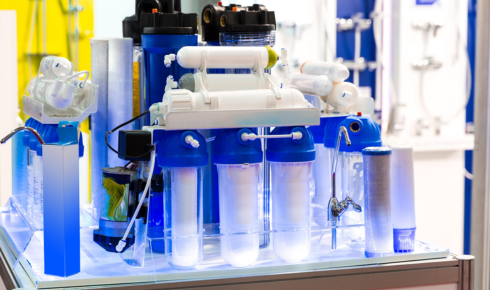
The best treatment setup depends on what the test shows. For example, cloudy water caused by air bubbles may not need filtration. Sediment may need a cartridge filter or backwashing filter. Hard water may require a softener. Bacteria may require disinfection. Iron, manganese, or sulfur may need oxidation and filtration.
Many homes need more than one solution working together. A common setup might include sediment filtration first, then a softener, then a drinking water system at the kitchen sink. But there is no perfect universal system for every well.
A good water professional will look at the full picture: water test results, flow rate, well condition, household size, plumbing layout, and what problems the homeowner actually wants solved. That is much better than buying equipment based only on a symptom.
Small Signs Usually Come Before Bigger Problems
Cloudy water is easy to dismiss, especially if it comes and goes. But water issues often start quietly. A little haze. A little spotting. A slightly odd smell. A filter that clogs faster than before.
Catching these signs early can save money and stress. It can protect appliances, improve water taste, and make everyday routines feel cleaner and more comfortable.
Well water can be excellent water. Many families love it. But it needs the right care. When you understand what is in your water, you stop guessing, and that makes all the difference.
In the end, clear water is not just about appearance. It is about confidence. You want to turn on the tap, fill a glass, run a bath, wash clothes, and not wonder what is going on behind the scenes. With proper testing and the right treatment, that peace of mind is very possible.