
Most homeowners don’t wake up thinking about their water system. There’s coffee to make, kids to get ready, laundry waiting, dishes in the sink, and about ten other things that feel more urgent. Water is just supposed to work in the background.
Until it doesn’t.
Maybe the shower pressure feels weaker than it used to. Maybe the glasses come out of the dishwasher with cloudy spots. Maybe the water has a slight smell, or the softener seems to be using salt faster than normal. These little things are easy to ignore for a while, but they often point to something that needs attention.
That’s why it’s worth slowing down and taking a closer look at what’s happening in your home’s water.
Why Water Testing Is a Smart First Step
Guessing at a water problem can get expensive quickly. A homeowner might assume they need a new filter, when the real issue is hard water. Someone else may blame their plumbing, when sediment or mineral buildup is causing the trouble.
A proper water test helps take the mystery out of it. It can show hardness levels, chlorine presence, iron, sediment, pH balance, or other concerns depending on the test being used. Once you know what’s in the water, the next step becomes much clearer.
Before replacing equipment or buying random filters online, it makes sense to book your free water test and get real information first. It’s a simple step, but it can save a lot of guessing, frustration, and wasted money later.
Hard Water Leaves Clues Everywhere
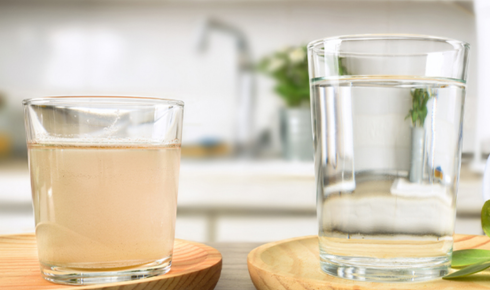
Hard water is one of those problems people often live with for years without realizing how much it affects daily life. It can leave white buildup around faucets, make soap harder to rinse, stiffen laundry, and create spots on dishes and shower glass.
Over time, hardness minerals can also collect inside water heaters, pipes, and appliances. That buildup may reduce efficiency and make equipment work harder than it should. It’s not always dramatic, but it is steady. Little by little, the system takes more strain.
A water softener can help reduce those minerals, but like any home system, it needs occasional care. Salt levels, settings, valves, and resin performance all matter. When the system is working correctly, many homeowners notice the difference pretty quickly.
When Service Shouldn’t Wait
Water treatment systems are usually quiet helpers. They sit in a garage, utility room, or closet and do their job without much attention. But when something changes, it’s better not to wait too long.
If your water starts tasting different, smells unusual, feels hard again, or leaves more residue than normal, it may be time to schedule service with someone who can inspect the system properly. Even a small adjustment can sometimes bring things back to normal.
Regular service can also help catch worn parts, clogged filters, salt bridges, low pressure issues, or incorrect settings before they become bigger problems. It’s like getting a car oil change. Not very exciting, sure, but it helps avoid headaches.
Salt Delivery Can Make Life Easier
Anyone who owns a salt-based water softener knows the routine. Buy heavy bags. Load them into the car. Carry them into the house or garage. Tear one open, pour it in, clean up the spill. Repeat every so often.
It’s not the worst chore in the world, but it’s not exactly fun either.
For busy households, elderly homeowners, or anyone tired of lifting heavy bags, it’s worth taking a moment to ask about salt delivery. Having salt brought directly to your home can keep the system running smoothly without turning maintenance into another weekend errand.
Convenience matters. A water softener only helps when it has what it needs to operate, and salt is a big part of that.
Clean Water Affects More Than Drinking
People often think about water quality only in terms of what they drink. That’s important, of course, but water touches almost every part of a home.
It runs through the washing machine, dishwasher, water heater, showerheads, coffee maker, ice maker, toilets, and outdoor spigots. It affects skin, hair, clothing, dishes, fixtures, and appliances. When the water is balanced and properly treated, the whole home tends to feel a little easier to manage.
A good filtration or softening setup can improve taste, reduce buildup, help appliances perform better, and make cleaning less of a battle. Sometimes the biggest improvement is not one big dramatic change, but a bunch of small annoyances slowly disappearing.
The Right Solution Depends on the Home
No two homes use water exactly the same way. A family with multiple bathrooms, daily laundry, and lots of cooking may need a different setup than someone living alone. Well water has different concerns than city water. Older plumbing can behave differently than newer construction.
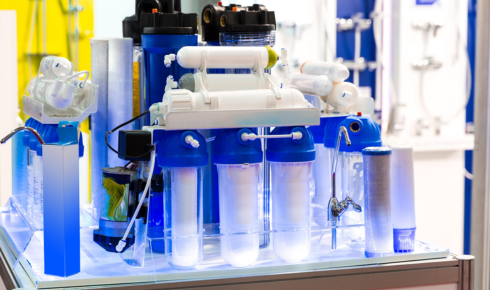
That’s why personalized recommendations matter. A basic filter might help with taste, but it may not solve hardness. A softener may reduce scale, but it may not remove certain contaminants. A whole-home system may be best for one property, while a drinking-water system is enough for another.
The point is to match the solution to the actual water, the home, and the people living there.
A Little Maintenance Goes a Long Way
Water systems do not need constant attention, but they do need the right attention. Changing filters on time, checking salt levels, watching for leaks, and having the system inspected can help it last longer and work better.
Ignoring small signs can make problems harder to fix. A filter left too long may reduce flow. A softener without enough salt may stop softening. A small leak can create damage if nobody catches it early.
Most water problems are easier and cheaper to deal with when they are handled early.
Final Thoughts
Better water starts with awareness. You don’t need to become a water expert, and you don’t need to panic over every spot on a glass. But when your home gives you signs, it’s smart to pay attention.
Testing, proper service, and simple maintenance can make a real difference in how your water tastes, feels, and performs. More importantly, it helps protect the systems your household depends on every single day.
Good water should feel normal. Clean dishes, softer laundry, better showers, fewer strange smells, less buildup — these are the quiet comforts that make a home run better.