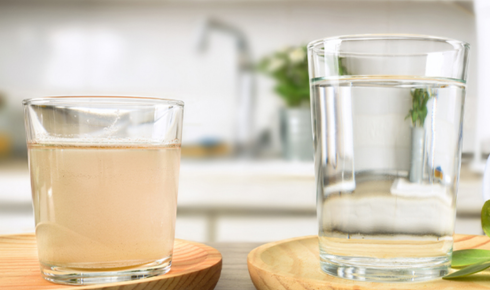

Most people don’t think much about their tap water until something feels off. Maybe the water tastes a little metallic. Maybe the shower leaves your skin dry, or the kettle has that chalky white buildup again. Sometimes it’s even simpler than that — a glass of water just doesn’t taste as clean as it should. And once you notice it, you can’t really un-notice it.
Water is one of those everyday things we trust almost automatically. It comes out of the tap, we cook with it, bathe in it, give it to the kids, fill the dog’s bowl with it. But “clear” doesn’t always mean clean, and “safe enough” doesn’t always mean ideal for your home. That’s where a little bit of curiosity can go a long way.
Why Guessing Isn’t Good Enough
A lot of homeowners try to solve water problems by guessing. If the water smells like chlorine, they buy a filter pitcher. If there are spots on dishes, they assume hard water. If the laundry feels stiff, maybe it’s the detergent. Sometimes they’re right, but often they’re only seeing one small part of the issue.
A home water test gives you a clearer starting point. Instead of relying on taste, smell, or visible stains alone, testing helps identify what’s actually in your water. That might include hardness minerals, chlorine, iron, sediment, pH imbalance, or other unwanted substances depending on your local supply and plumbing.
And honestly, it can be a relief. Not because every result is dramatic, but because you finally stop guessing. You know what you’re dealing with.
Small Signs That Water May Need Attention
Water problems usually don’t walk through the front door waving a flag. They show up in tiny, annoying ways. Soap that doesn’t lather properly. Orange stains near drains. Cloudy ice cubes. A strange smell when you first turn on the faucet. Appliances that seem to wear out faster than they should.
Hard water, for example, is incredibly common. It can leave scale inside pipes and appliances, making water heaters work harder over time. Chlorine can affect taste and odor. Iron may cause staining. Sediment can make water look cloudy or leave grit behind. None of these things are pleasant, and some can cost you money in repairs if ignored long enough.
The tricky part is that two homes on the same street can still have different water concerns. Older pipes, private wells, municipal treatment changes, and even seasonal runoff can affect water quality. So a one-size-fits-all answer rarely works as well as people hope.
Choosing the Right Fix for Your Home
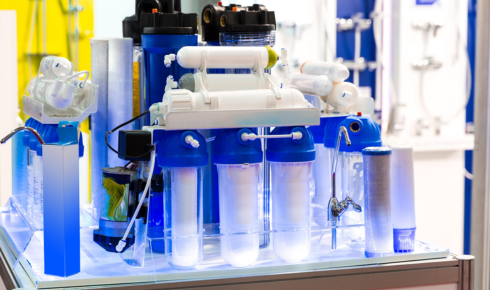
Once the test results are clear, the next step is deciding what actually makes sense. This is where a proper system recommendation matters. A water softener may be perfect for one house, while another may need a carbon filter, reverse osmosis unit, sediment filter, UV system, or a combination of treatments.
The best choice depends on the issue, the size of the home, daily water use, plumbing setup, and what the family cares about most. Some people mainly want better-tasting drinking water. Others want to protect appliances. Some are dealing with well water and need more detailed treatment. There’s no shame in needing guidance here, because water treatment can get technical pretty quickly.
A good recommendation should feel practical, not pushy. It should explain why a certain system is being suggested and what it will improve. Homeowners deserve plain language, not a confusing sales pitch full of jargon.
Better Water Is About More Than Drinking
When people hear “water quality,” they often think only about the water they drink. That’s important, of course, but water touches nearly every part of the home. It affects coffee, soups, showers, laundry, dishwashers, water heaters, faucets, toilets, and even how long certain appliances last.
Softer water can help soaps rinse more cleanly. Better-filtered water can improve taste and reduce odors. Cleaner water can make daily routines feel a little nicer, in that quiet way you appreciate after the upgrade is done. It’s not always a dramatic lifestyle transformation. Sometimes it’s just fewer stains, better showers, and not having to apologize for the taste of your tap water when guests come over.
And that counts for something.
Professional Help Makes the Process Easier
DIY filters have their place. A pitcher filter or faucet attachment may help with taste, and for some apartments or short-term needs, that might be enough. But when the problem affects the whole home, or when testing shows multiple concerns, professional guidance becomes much more valuable.
Reliable water treatment solutions are designed around the actual water conditions, not just the symptoms. That means the system has a better chance of doing what it’s supposed to do, without wasting money on equipment that doesn’t match the problem.
Professional installation also matters. A good system installed poorly can underperform. The right setup, maintenance schedule, and follow-up support help make sure the water stays consistent long after the first day.
The Cost of Waiting Too Long
It’s easy to put water issues off. Most people do. A little staining here, a bit of scale there — life is busy, and water problems rarely feel urgent at first. But over time, poor water quality can become more expensive than expected.
Scale can reduce water heater efficiency. Sediment can clog fixtures. Iron stains can become harder to clean. Filters that are too small or poorly matched can need constant replacement. And if you’re on well water, ignoring changes in taste, smell, or appearance is never a great idea.
Taking action early doesn’t have to mean buying the biggest system available. It simply means understanding the water and making a smart choice from there.
A Simple Step Toward Confidence
Good water should feel normal. That’s the funny thing. When your water is right, you don’t think about it much. Coffee tastes better. Glassware looks cleaner. Showers feel fresher. The home just runs a little smoother in the background.
Testing your water is a simple first step, but it can answer a lot of questions. From there, the right treatment system can help improve comfort, protect plumbing, and give your family more confidence in what’s coming from the tap.
At the end of the day, water is too important to leave to guesswork. A little attention now can make everyday life cleaner, easier, and honestly, just better.