There are certain comforts we hardly notice until they’re gone. Cool air on a humid afternoon, steady warmth during a freezing morning, and the quiet feeling of walking into a room where the temperature is just right all seem effortless—until the system responsible for that comfort suddenly stops working.
Heating and cooling equipment has a unique role in our lives. It works quietly behind walls and ceilings, often running every day without asking for much attention. Because it’s out of sight, it’s also easy to forget how much we rely on it.
Whether it’s a family home, a busy office, a retail store, or a warehouse, an efficient HVAC system does much more than control temperature. It affects energy costs, indoor comfort, productivity, and even the lifespan of the building itself.
Comfort Starts Long Before You Adjust the Thermostat
Most people think comfort begins when they change the thermostat setting.
In reality, it begins much earlier—with proper system design.
An HVAC system isn’t simply a machine that blows hot or cold air. It’s a carefully balanced network of equipment, ductwork, airflow calculations, insulation, and controls working together to create a stable indoor environment.
When one part struggles, the rest of the system often compensates by working harder. That additional strain eventually affects efficiency, reliability, and operating costs.
Good performance begins with thoughtful planning.
A Proper Installation Makes All the Difference
Many homeowners compare equipment models when replacing their HVAC systems, but the quality of the installation is just as important as the equipment itself.
Even the most efficient unit can struggle if it’s improperly sized or poorly installed.
Professional hvac installation ensures that the system matches the building’s heating and cooling requirements, ductwork supports proper airflow, and every component is configured for efficient operation. Correct installation also helps reduce future maintenance issues while improving long-term energy performance.
In many cases, homeowners notice the difference almost immediately through quieter operation and more consistent indoor temperatures.
It’s one of those investments that continues paying off for years.
Small Problems Rarely Fix Themselves
Heating and cooling systems usually provide warning signs before they fail completely.
Maybe one room feels warmer than the others. Perhaps unusual noises begin appearing during startup, or utility bills increase even though weather conditions haven’t changed much.
Ignoring those early symptoms often leads to larger repairs later.
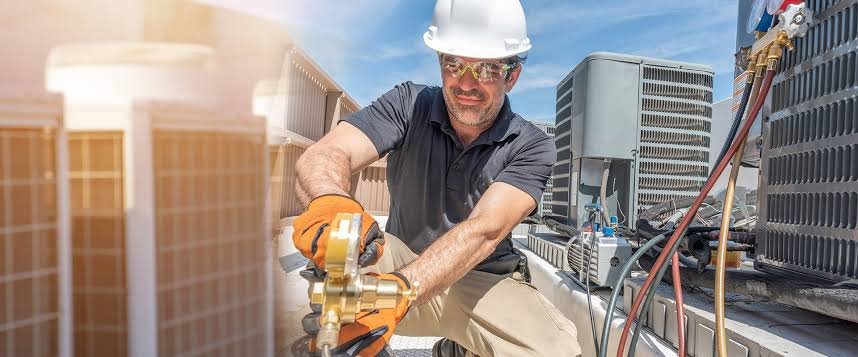
Timely hvac repair allows technicians to identify worn components, airflow restrictions, electrical issues, refrigerant concerns, or thermostat problems before they develop into complete system failures.
Acting early generally costs less than waiting for a breakdown on the hottest day of summer or the coldest week of winter.
Preventive action almost always wins.
Businesses Face Different Challenges
Commercial buildings place unique demands on heating and cooling equipment.
Office spaces require consistent comfort throughout the workday. Restaurants generate additional heat from cooking equipment. Retail stores welcome customers continuously, while warehouses often involve large open spaces with varying ventilation requirements.
Reliable commercial hvac services help businesses maintain efficient operations while minimizing downtime that could disrupt employees or customers.
Routine inspections, scheduled maintenance, equipment upgrades, and prompt repairs all contribute to stable working environments that support productivity while protecting valuable inventory and equipment.
For businesses, reliable climate control isn’t simply about comfort.
It’s part of daily operations.
Efficiency Affects More Than Utility Bills
Most homeowners notice rising energy costs long before they recognize declining HVAC performance.
Dirty filters, leaking ductwork, worn motors, restricted airflow, aging compressors, and neglected maintenance all reduce efficiency over time. As a result, the system operates longer while consuming more electricity or fuel to achieve the same indoor temperature.
Improving efficiency isn’t always about replacing equipment.
Sometimes routine servicing restores much of the lost performance while extending the lifespan of existing components.
Small improvements often create meaningful savings month after month.
Indoor Comfort Is About Balance
Many people assume comfort simply means making a room colder or warmer.
Actually, comfort depends on several factors working together.
Even airflow, balanced humidity, proper ventilation, consistent temperatures, and quiet operation all contribute to how a space feels.
A well-maintained HVAC system creates an environment where people stop thinking about the temperature because everything simply feels comfortable.
That’s usually a sign the system is doing its job exceptionally well.
Regular Maintenance Prevents Unnecessary Stress
Emergency HVAC repairs have an unfortunate habit of happening when they’re least convenient.
Air conditioners fail during heatwaves. Furnaces develop problems just before freezing temperatures arrive. Service companies become busiest precisely when everyone needs help at once.
Routine inspections help reduce those situations considerably.
Seasonal maintenance allows technicians to clean important components, inspect electrical connections, verify refrigerant levels, check safety controls, replace worn parts, and ensure everything is ready before heavy seasonal demand begins.
A little preparation often prevents a lot of frustration.
Choosing the Right HVAC Professional
Finding dependable HVAC support isn’t simply about selecting the lowest estimate.
Look for experienced technicians who explain recommendations clearly, perform thorough inspections, answer questions honestly, and prioritize long-term system performance instead of unnecessary replacements.
Transparency matters.
Homeowners and business owners alike deserve to understand why repairs are recommended, what maintenance includes, and how different options affect future operating costs.
Trust develops through clear communication just as much as technical skill.
Reliable Climate Control Supports Everyday Life
We rarely think about heating and cooling when everything works properly.
Children sleep comfortably through the night. Families gather indoors during harsh weather. Employees remain productive, customers enjoy pleasant shopping environments, and everyday routines continue without interruption.
Behind all of those moments is an HVAC system quietly doing exactly what it was designed to do.
Maintaining that reliability doesn’t require constant attention.
It simply requires thoughtful planning, routine inspections, timely repairs, and professional installation when replacement eventually becomes necessary.
In the end, heating and cooling systems aren’t just appliances. They’re essential parts of the environments where we live, work, and create memories every day. Investing in proper care today helps ensure those spaces remain comfortable, efficient, and dependable for many years to come—and that’s one home or business improvement that people appreciate during every season of the year.