Most people don’t think much about the water running through their home. It comes out of the tap, fills the kettle, washes the dishes, runs the shower, and quietly does its job. Until, of course, it starts leaving little signs behind. A white ring around the faucet. Spots on a freshly washed drinking glass. A shower door that never looks properly clean, no matter how much elbow grease you throw at it.
That’s usually when homeowners begin wondering whether their water is doing more than just flowing through the pipes. And honestly, it often is.
Hard water is one of those household problems that doesn’t always feel urgent at first. It’s not dramatic like a burst pipe or a broken heater. It creeps in slowly, leaving minerals behind day after day. Before long, the signs become part of daily life. You rinse, scrub, wipe, repeat — and still the same dull marks come back.
The Annoying Clues You Notice First
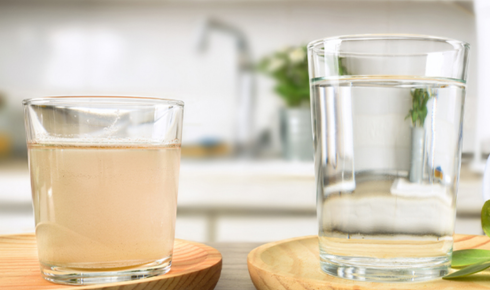
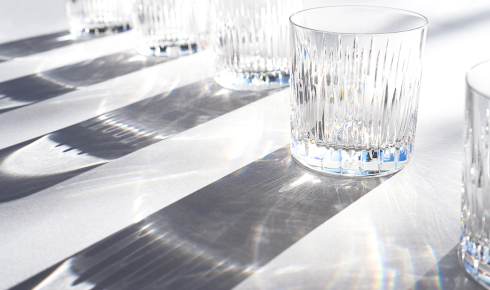
One of the most common early signs is cloudy glassware. You take a glass out of the dishwasher expecting it to sparkle, but instead it looks foggy, almost dusty. Sometimes people blame the detergent or the dishwasher itself, and fair enough, those can play a part. But in many homes, the real culprit is mineral-heavy water.
When water contains higher levels of calcium and magnesium, those minerals can cling to surfaces as water dries. On glasses, plates, taps, and sinks, this leaves a chalky film. It may wipe away at first, but over time it becomes more stubborn. That’s why a glass can be technically clean and still look like it needs another wash.
It’s a small frustration, sure. But small frustrations stack up. Nobody wants guests picking up a dull-looking glass and wondering whether it was washed properly.
Bathrooms Take the Hardest Hit
The bathroom often shows the problem more clearly than anywhere else. Shower screens, tiles, chrome fixtures, and even bathtubs can develop a dull coating that seems to return almost immediately after cleaning. You scrub it clean on Sunday, and by Wednesday it’s already back. Lovely.
This is where soap scum buildup becomes a real headache. Hard water minerals react with soap, creating that sticky, greyish film that clings to tiles, tubs, and shower doors. It doesn’t just look unpleasant; it can make the bathroom feel older and less fresh than it really is.
Many people switch soaps, buy stronger cleaners, or spend more time scrubbing. Sometimes that helps for a while. But if the water itself is causing the residue, cleaning products are only treating the surface issue. It’s like mopping the floor while the tap is still running.
The Problem Goes Beyond Looks
Water stains and bathroom film are easy to notice because they’re right in front of you. But some of the more expensive effects are hidden inside appliances and plumbing. Your water heater, washing machine, dishwasher, coffee maker, and even pipes can all be affected by mineral deposits.
Over time, hard water can lead to reduced appliance efficiency. A water heater, for example, may need to work harder when mineral scale forms inside the tank or around heating elements. Dishwashers may struggle to rinse properly. Washing machines may require more detergent to get clothes feeling clean. Little by little, appliances use more energy, perform worse, and may wear out sooner than expected.
That’s the part homeowners often miss. Hard water isn’t just a cleaning inconvenience. It can quietly affect comfort, energy use, appliance lifespan, and maintenance costs.
Laundry Can Feel Different Too
Another place hard water shows up is in the laundry room. Clothes may feel stiff after washing, towels can lose their softness, and colours might look a bit dull over time. Again, detergent often gets blamed first. People add more of it, thinking more soap means cleaner clothes. But with hard water, extra detergent doesn’t always solve the problem.
In fact, using more soap can sometimes make things worse, because minerals interfere with how soap rinses away. That can leave residue in fabrics, especially towels and bedding. You may not see it clearly, but you can feel it.
For families washing school uniforms, work clothes, baby clothes, sports kits, and towels every week, this becomes more than a small annoyance. It affects the way the home feels day to day.
Why Regular Cleaning Isn’t Always Enough
There’s nothing wrong with keeping a good cleaning routine. Vinegar, gentle descalers, and regular wiping can help manage mineral marks. Drying shower doors after use can slow down stains. Cleaning taps weekly can prevent heavy deposits from forming.
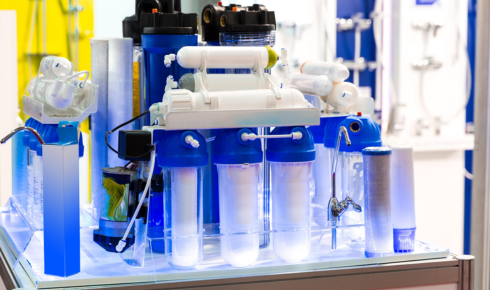
But if the mineral content in the water remains high, the issue keeps coming back. That’s why some homeowners eventually look into water treatment options such as water softeners, whole-home filtration systems, or targeted solutions for specific fixtures and appliances.
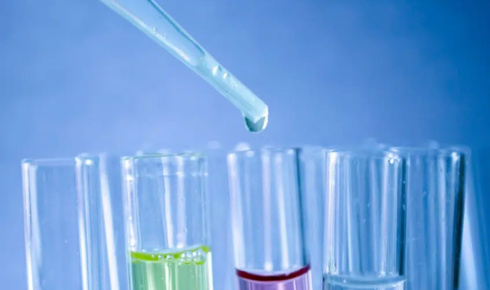
The right option depends on the home, the local water supply, and what problems are showing up most often. A household dealing mainly with taste and odour may need a different solution than one struggling with mineral scale. Testing the water is usually the smartest first step, because guessing can lead to buying products that don’t really fix the issue.
A Better Water Experience Starts With Paying Attention
The tricky thing about water problems is that they become normal after a while. You get used to wiping taps more often. You stop expecting glasses to shine. You accept stiff towels because, well, that’s just how they come out of the wash.
But it doesn’t have to stay that way.
Not every home needs a major system upgrade, and not every stain is a sign of disaster. Still, when mineral marks, residue, appliance issues, and cleaning frustrations all appear together, it’s worth taking the water seriously. A simple water test can give homeowners real answers instead of guesswork.
Clean, balanced water makes daily routines easier. Dishes look better. Bathrooms stay fresher for longer. Appliances can work with less strain. Laundry feels nicer. These aren’t flashy benefits, but they matter because they touch everyday life.
In the end, better water isn’t just about what you drink. It’s about what your home lives with every single day — quietly, constantly, and often more deeply than you might think.